Blog / Jacksonville Mazda Service

How Often Should Your Mazda Get an Oil Change?

Tech_oil

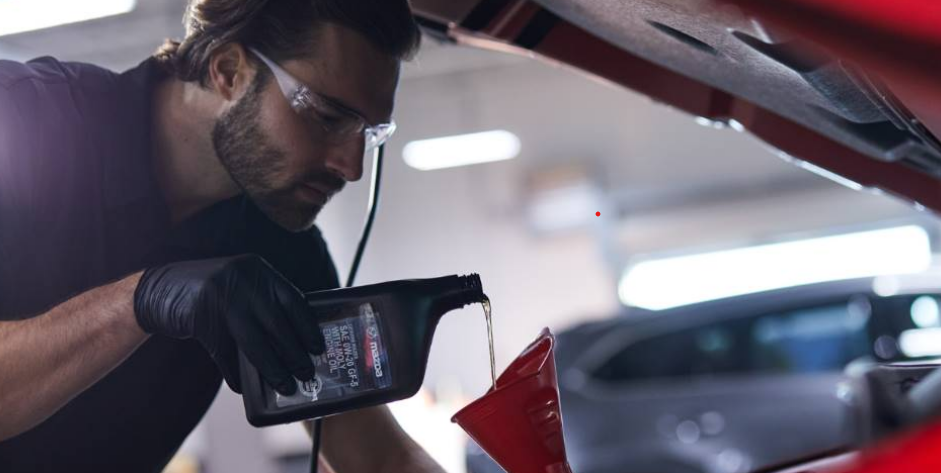
For any Mazda owner, ensuring your vehicle remains in optimal condition is important, and a core component of this upkeep is regular oil changes. When should you get an oil change at your Mazda dealer? Let's explore this vital aspect of car maintenance in detail.

The Role of Engine Oil

The engine is the heart of your vehicle, and it's a complex, and hot, system of moving parts that work in tandem to deliver performance. To do this efficiently, it relies on engine oil for lubrication and protection. As time progresses and as you clock more miles, this oil gets polluted with various contaminants, leading to a reduction in its lubricating properties.

Standard Recommendations for Changing Oil

The rule of thumb for many modern cars, including Mazdas, is to change the oil about every 7,500 miles. But it's essential to remember that this is a generalized guideline. The specific model of your Mazda, its age, the type of oil in it, and your regular driving conditions can lead to variations in this frequency.

Factors Influencing the Frequency of Oil Changes

Driving Habits and Conditions

The environment in which you drive your Mazda plays a substantial role in determining when you should change the oil. Regular exposure to extreme cold or hot conditions, heavy city traffic, or taking frequent short drives can reduce the oil's lifespan.

Oil Type Matters

The market offers various types of engine oils. Synthetic oils, formulated through advanced processes, tend to last longer between changes than their conventional counterparts.

Age of Your Mazda

Like all things, age affects performance. A Mazda that's been on the road for several years and has seen numerous miles might need its oil changed more frequently compared to a newer model.

Recognizing When to Get an Oil Change From Your Mazda Dealer

Your Mazda offers clues indicating it's time for fresh oil, and paying attention to these signs ensures your car will stay in peak condition. The most straightforward sign is the oil light on your dashboard. When that illuminates, it needs attention. Make it a habit to periodically check your engine oil, too. If it's visibly dark or feels gritty, it's time to consider a change.

Your engine should run smoothly, so if you start hearing unusual sounds, like knocking, it could be an indication that the oil isn't lubricating as effectively as it should. A noticeable oil smell inside your vehicle, especially when coupled with smoke from the exhaust, is also an immediate sign that something's amiss.

Don't Forget the Manual

A resource that's often overlooked is your vehicle's manual. This document is tailored specifically for your car's model and provides clear guidelines on maintenance, including intervals for changing oil.

Maintaining a regular schedule for changing the oil is key to the longevity and efficient performance of your Mazda's engine. If it's time, come see the team here at Tom Bush Mazda.

Posted in:

Related Posts

How Routine Maintenance Supports Mazda Performance Over Time

Many drivers wonder how often a Mazda actually needs to be serviced, especially in the first few years of ownership when everything still feels new. Routine maintenance is designed to support how the vehicle performs over time by preserving the condition of its core systems rather than correcting failure after it happens. In a vehicle like the Mazda CX 5, every major system is built to operate within a specific range of temperature, friction, and pressure. These conditions are carefully engineered to create the smooth, responsive feel Mazda is known for. Maintenance keeps those conditions stable, allowing the vehicle to continue delivering that same sense of balance long after the initial drive. Without regular service, systems do not suddenly fail. They begin to shift gradually. Fluids lose their ability to regulate heat and friction. Materials wear unevenly. Small inefficiencies build on each other until the vehicle begins to feel different, even if nothing has technically broken. more Engine systems rely on clean lubrication to reduce internal friction and heat buildup Tire systems depend on even contact with the road surface to maintain stability Brake systems require consistent material thickness for predictable stopping response Climate systems rely on sealed pressure and balanced airflow to maintain comfort Routine maintenance keeps each of these systems operating within their designed limits. For a driver, that means the vehicle continues to feel smooth, predictable, and connected rather than slowly drifting away from its original character. How Oil Changes Protect Engine Systems And Why Timing Matters A common question for new owners is how often a Mazda needs an oil change, but the more important question is what that oil is actually doing inside the engine. Engine oil protects internal components by creating a thin lubricating layer that reduces friction, carries heat away, and prevents metal to metal contact. In models like the Mazda CX 50, the engine is constantly in motion. Pistons move rapidly within cylinders, valves open and close with precision timing, and bearings support rotating components under pressure. Oil flows continuously through these parts, acting as both a lubricant and a cooling medium. Over time, oil begins to break down. Heat alters its viscosity, making it less effective at maintaining a protective layer. At the same time, contaminants such as microscopic metal particles and combustion byproducts accumulate within the oil. This is why timing matters. Oil degradation happens gradually, not instantly. Fresh oil maintains proper viscosity, allowing it to coat and protect moving components Degraded oil loses its ability to separate surfaces, increasing internal friction Contaminated oil circulates particles that can accelerate wear inside the engine Replacing oil at the correct interval ensures the engine continues to operate within its intended design. For drivers, this is one of the most important maintenance steps because it directly affects long term durability and the way the vehicle feels during acceleration and everyday driving. Why Tire Rotation Impacts Safety And Long Term Wear Drivers often ask how frequently tires should be rotated on a Mazda, especially as mileage begins to build and wear becomes more noticeable. Tire rotation redistributes wear across all four tires to ensure even contact with the road and consistent performance. In vehicles like the Mazda CX 30, tires do not wear evenly on their own. The front tires typically handle steering input and a greater portion of braking force, which causes them to wear faster than the rear tires. Over time, this imbalance can affect how the vehicle grips the road. Rotation works by systematically repositioning each tire so that wear is distributed more evenly across all four positions. This helps maintain a balanced contact patch between the tires and the road surface. Even wear maintains consistent traction across all four tires Balanced tread depth supports stable braking and cornering Proper rotation reduces irregular wear patterns that can create noise or vibration This process does more than extend tire life. It preserves the way the vehicle responds to steering and braking inputs. For a driver, that means the Mazda continues to feel stable and predictable, even as miles accumulate. How Brake Inspections Prevent Performance Loss It is also common to question how often brakes should be checked, particularly as a vehicle moves beyond its first year of use. Brake inspections evaluate the condition of brake pads, rotors, and related components to ensure consistent stopping performance. In a vehicle like the Mazda CX 90, braking relies on controlled friction. When the brake pedal is applied, pads press against rotating rotors to slow the vehicle. Each application removes a small amount of material from the brake pads. Over time, this gradual wear reduces pad thickness and can begin to affect how evenly the braking system operates. If left unchecked, this wear can extend to the rotors themselves, increasing the complexity and cost of repairs. Worn brake pads reduce stopping efficiency and increase stopping distance Uneven wear can introduce vibration or pulsing during braking Delayed inspection can lead to rotor damage, requiring more extensive service Regular brake inspections identify these changes early. For drivers, this ensures that stopping remains smooth, controlled, and consistent in everyday conditions, from city traffic to highway speeds. What To Expect From AC Service And Climate System Maintenance Climate control is often overlooked until it stops performing as expected, but it plays an important role in overall driving comfort. Many drivers wonder when AC service should be done, especially if the system still appears to be working. AC service maintains the vehicle’s climate system by ensuring proper refrigerant levels, airflow, and internal pressure balance. In Mazda interiors, the climate system is designed to maintain a consistent cabin environment without placing unnecessary strain on the engine. It relies on a closed loop system where refrigerant circulates through components such as the compressor, condenser, and evaporator. Over time, small changes begin to affect performance. Refrigerant levels can decrease, filters may become restricted, and airflow can weaken. These changes do not always happen suddenly, which is why they can go unnoticed at first. Reduced refrigerant lowers the system’s ability to absorb and transfer heat Restricted airflow limits how effectively cooled air reaches the cabin System imbalance can increase strain on internal components Regular inspection helps maintain consistent cooling performance and prevents more significant issues from developing. For drivers, this means the cabin continues to feel comfortable and controlled, whether during daily commutes or longer drives in changing weather conditions.

How Clear Service Updates Help Mazda Owners Feel More Confident

Mazda service updates shape how owners understand repairs, timelines, inspections, and the overall repair process from drop off through pickup. Vehicle service rarely creates frustration from repairs alone. Uncertainty usually grows when owners do not know what the technician found, whether the timeline changed, or why the estimate no longer matches the original expectation. That communication gap becomes more noticeable during AC diagnostics, scratch repair inspections, tire replacement visits, and larger mechanical repairs where additional findings may appear after technicians begin deeper inspection work. Clear communication creates structure around the repair process so owners understand what is happening, why it is happening, and what comes next. Why Repair Timelines Change After Diagnostics Why did the repair estimate change after inspection? Diagnostic inspections are the process technicians use to identify root causes, confirm part failures, and verify whether surrounding components were damaged as well. An initial estimate is frequently based on visible symptoms or customer concerns before the technician begins deeper evaluation. Once the inspection starts, additional information may reshape the repair scope. A Mazda CX 5 arriving for AC service may initially appear to need refrigerant replacement, though pressure testing could later reveal a leaking hose, damaged condenser, or compressor concern requiring additional labor and parts. The same pattern appears during scratch repair evaluations. Surface scratches may look minor externally while deeper paint penetration, panel distortion, or hidden trim damage changes the repair approach after disassembly and inspection. Repair timelines can change because technicians may need to: more complete additional diagnostic testing verify secondary damage order replacement components wait for paint matching procedures confirm calibration requirements after repairs perform final inspection testing before release Communication matters most during these transitions. Owners usually respond more positively when they understand why the timeline shifted and what the technician discovered during inspection. Mazda dealerships that provide clear diagnostic explanations create a calmer ownership process because the repair no longer feels unpredictable or disconnected from the actual work being performed. How Service Advisors and Technicians Coordinate Updates What should a service update include? Effective repair communication explains the current repair stage, technician findings, timeline expectations, and whether approvals are needed before work continues. Service advisors act as the communication bridge between technicians and owners. Technicians focus on diagnosis, repair procedures, testing, and verification while advisors translate those findings into understandable updates. During a Mazda tire rotation appointment, the visit may begin as routine maintenance but later expand if uneven tread wear, brake wear patterns, alignment concerns, or suspension irregularities appear during inspection. Without explanation, owners may feel pressured by additional recommendations. With clear communication, the inspection process feels transparent and easier to understand. Helpful service updates usually include: what inspection stage the vehicle is currently in whether diagnostics are complete whether additional approvals are required parts availability timing revised completion estimates whether final testing has started Communication pauses do not always mean repair progress has stopped. Technicians may still be diagnosing electrical concerns, pressure testing AC components, waiting for authorization approval, or confirming parts delivery timelines before another update becomes available. Mazda ownership tends to feel more stable when communication stays structured throughout the visit. Even short updates create reassurance because owners understand where the repair currently stands. Mazda AC, Tire, and Scratch Repair Communication Expectations Different repair categories create different communication expectations because inspection depth and repair sequencing vary substantially across service types. Mazda AC repair visits usually involve several inspection stages before the technician confirms the root issue. Refrigerant pressure readings, leak tracing dye, compressor operation, condenser airflow, electrical signal checks, and cabin temperature verification may all occur before repairs are finalized. A simple cooling complaint may require several testing phases before the repair path becomes fully clear. Tire rotation visits appear simpler externally, though they still involve inspection opportunities that influence future maintenance planning. Technicians may identify irregular wear patterns, tire aging, brake concerns, or alignment symptoms while rotating the tires. Those findings shape future recommendations and maintenance timing discussions. Scratch repair communication becomes important because cosmetic damage can evolve into a multi step process involving: paint preparation sanding and panel correction primer work paint matching curing procedures finish inspection under varying light conditions Owners usually feel more comfortable during these repairs when updates explain what stage has been completed and what remains before pickup. Mazda dealerships supporting communication well tend to reduce repair anxiety because the ownership process feels collaborative instead of uncertain. The focus shifts from waiting without answers to understanding how the repair is progressing. How Repairs Are Verified Before Vehicle Pickup How do technicians confirm the repair was fixed properly? Repair verification is the process used to confirm the original concern has been resolved before the vehicle returns to the owner. Final verification procedures vary depending on the repair type. AC repairs may require cabin temperature testing, pressure confirmation, compressor cycling review, and leak verification. Brake related inspections may include road testing, pedal feel confirmation, noise evaluation, and brake response checks. Modern Mazda models add another layer of verification because cameras, sensors, and driver assistance features may require recalibration after certain repairs or body work. A technician may need to confirm camera positioning, radar operation, or warning light status before the vehicle is considered ready for pickup. Repair verification can include: road testing warning light review calibration confirmation temperature and pressure testing fluid level verification technician re inspection procedures Owners rarely see these processes directly, which is why communication during the final stage matters as much as the original estimate discussion. Pickup confidence grows when owners understand the repair was tested, reviewed, and verified before release. Mazda’s driver focused engineering philosophy places strong emphasis on connected driving feel and predictable operation. Verification procedures support that same ownership consistency by ensuring repairs restore the vehicle properly before it returns to the road. Why Clear Communication Changes the Ownership Relationship Clear communication changes how owners view the entire repair process. Without updates, repairs can feel disconnected, confusing, and difficult to trust. With structured explanations, owners understand how inspections progress, why timelines shift, and how technicians confirm repairs before pickup. Mazda owners frequently choose the brand because of its thoughtful design philosophy, calm driving feel, and human centered engineering approach. That same ownership mindset extends into service expectations as well. Drivers want transparency, steady communication, and repair discussions that feel respectful and understandable instead of rushed or overly technical. Strong service communication builds trust gradually through clarity, consistency, and realistic expectations. Owners feel more prepared when they understand what technicians are inspecting, what the repair process involves, and what verification steps happen before the keys are handed back. That communication structure creates a more confident ownership relationship long after the appointment itself has ended.

What Makes Mazda Engines Feel So Responsive? Understanding Skyactiv Technology

Mazda vehicles have built a reputation for delivering a driving experience that feels unusually connected and responsive. Many drivers notice this immediately during a test drive, whether in the Mazda CX-5, Mazda3, or Mazda CX-30. The steering feels natural, acceleration responds smoothly to throttle input, and the vehicle seems to move in harmony with the driver. Much of that sensation comes from Mazda’s Skyactiv engineering philosophy. Rather than focusing on a single component such as the engine, Mazda redesigned several core vehicle systems together. The result is a coordinated approach to engine efficiency, vehicle weight, and transmission tuning that improves both responsiveness and everyday fuel efficiency. Understanding how Skyactiv technology works helps explain why Mazda vehicles often feel different to drive compared with many other compact SUVs and sedans. What Skyactiv Technology Actually Means Many shoppers researching Mazda vehicles ask what Skyactiv technology actually is and why it changes how the vehicle drives. Skyactiv technology is Mazda’s engineering strategy for improving efficiency and responsiveness by redesigning the engine, transmission, chassis, and vehicle structure together rather than optimizing each component separately. more The Mazda Skyactiv-G engine, used in vehicles such as the Mazda CX-5 and Mazda3, focuses on extracting more usable energy from every combustion cycle. Mazda engineers paired that engine design with a lightweight vehicle structure and carefully tuned transmissions so that the entire vehicle responds smoothly to driver inputs. This integrated approach supports Mazda’s driving philosophy known as Jinba Ittai, which refers to the idea of unity between the driver and the vehicle. Instead of focusing only on horsepower or acceleration numbers, Mazda engineers concentrate on how naturally the car reacts to steering, throttle, and braking. How High Compression Engines Improve Power and Efficiency A key part of Skyactiv technology is the unusually high compression ratio used in Mazda gasoline engines. The compression ratio of an engine describes how much the air and fuel mixture is compressed inside the combustion chamber before ignition occurs. Higher compression allows the engine to extract more energy from the fuel during combustion. The Mazda Skyactiv-G engine uses one of the highest compression ratios found in mass-produced gasoline engines. By compressing the fuel mixture more efficiently before ignition, the engine can generate stronger combustion and improved energy output. This design offers several practical advantages for drivers. • More efficient use of fuel during combustion • Stronger torque output at lower engine speeds • Improved fuel economy during everyday driving Because the Mazda Skyactiv-G engine converts more of the fuel’s energy into usable power, the engine can deliver responsive acceleration without relying solely on large displacement or aggressive turbocharging. For drivers of the Mazda CX-5 or Mazda CX-30, this means the engine responds quickly when merging onto highways or accelerating through city traffic while still maintaining balanced fuel efficiency during daily commuting. Why Mazda Engines Feel More Responsive in Everyday Driving Many drivers searching for information about Mazda performance want to understand why Mazda vehicles often feel more responsive than competitors in the same category. Responsiveness comes from several engineering choices working together within Skyactiv powertrains. First, the Mazda Skyactiv-G engine delivers strong torque at lower engine speeds. Torque is the rotational force that helps move the vehicle forward. When torque is available earlier in the engine’s power band, the vehicle can accelerate smoothly without needing to rev the engine aggressively. Second, Mazda carefully calibrates the transmission to maintain consistent power delivery. The Skyactiv automatic transmission adjusts gear changes to keep the engine operating within its most efficient and responsive range. Finally, Mazda engineers tune throttle response to provide predictable acceleration. When the driver presses the accelerator pedal, the engine and transmission respond quickly but smoothly, allowing the vehicle to accelerate without hesitation. Together, these systems help Mazda vehicles feel more intuitive to drive, especially during everyday situations such as: • merging onto highways • navigating stop-and-go traffic • accelerating out of corners • maintaining steady highway speeds Drivers often describe this balance as feeling more connected to the vehicle because the engine and transmission respond naturally to driver inputs. How Vehicle Architecture Supports Driving Precision Skyactiv technology extends beyond the engine. Mazda also redesigned the vehicle body structure and chassis to support improved handling and stability. Vehicle weight and rigidity play a major role in how a car responds to steering and acceleration. A lighter, more rigid structure allows engineers to control how the vehicle moves during braking, cornering, and acceleration. Mazda’s Skyactiv body architecture uses high-strength steel and carefully engineered reinforcement points to increase structural rigidity while reducing overall weight. This allows suspension components to operate more precisely because the vehicle structure flexes less during movement. The suspension and steering systems in vehicles such as the Mazda3 and Mazda CX-5 are then tuned to complement this structure. The result is steering feedback that feels predictable and balanced, helping the driver maintain better control during both city and highway driving. This combination of lightweight engineering and structural rigidity contributes to the smooth and confident driving feel many Mazda owners notice. How Skyactiv Technology Improves Real World Fuel Efficiency Efficiency is another major benefit of Skyactiv engineering. While many automakers focus on hybrid systems or turbocharging to improve fuel economy, Mazda engineers focused heavily on improving the combustion process itself. Several elements contribute to the fuel efficiency seen in vehicles equipped with Skyactiv engines. • Higher compression combustion extracts more energy from each fuel cycle • Lightweight vehicle structures reduce the amount of energy required to move the vehicle • Transmission calibration keeps the engine operating within its most efficient range • Aerodynamic design reduces resistance at highway speeds Because these improvements work together, vehicles such as the Mazda CX-5 and Mazda CX-30 can deliver strong fuel economy while maintaining responsive acceleration and smooth power delivery. For drivers who spend time commuting, traveling on highways, or running daily errands, these efficiency improvements translate into fewer fuel stops and lower long-term fuel costs without sacrificing driving enjoyment. Why Skyactiv Technology Shapes the Mazda Driving Experience Mazda’s Skyactiv engineering philosophy demonstrates that performance and efficiency do not have to be opposing goals. By redesigning the engine, transmission, chassis, and body structure as a unified system, Mazda engineers created vehicles that balance responsiveness, fuel efficiency, and driving comfort. For many drivers, this approach is why Mazda vehicles feel engaging during everyday driving. The engine responds smoothly to throttle input, the transmission maintains balanced power delivery, and the chassis provides stable and predictable handling. Whether behind the wheel of a Mazda CX-5, Mazda3, or Mazda CX-30, Skyactiv technology works quietly in the background to create a driving experience that feels natural and connected.