

Mazda CX-5 vs Toyota RAV4 Jacksonville
Check CX-5 Trims Available in Jacksonville
Call a Mazda Specialist to Match a CX-5 Trim to Your Commute
Schedule a Back-to-Back Drive for Comfort and Handling Feel
| Sales | ||
| Day | Open | Closed |
| Monday | 9:00AM | 8:00PM |
| Tuesday | 9:00AM | 8:00PM |
| Wednesday | 9:00AM | 8:00PM |
| Thursday | 9:00AM | 8:00PM |
| Friday | 9:00AM | 8:00PM |
| Saturday | 8:00AM | 7:00PM |
| Sunday | Closed | Closed |
Mazda CX-5 vs Toyota RAV4: deciding what fits your daily drive in Jacksonville
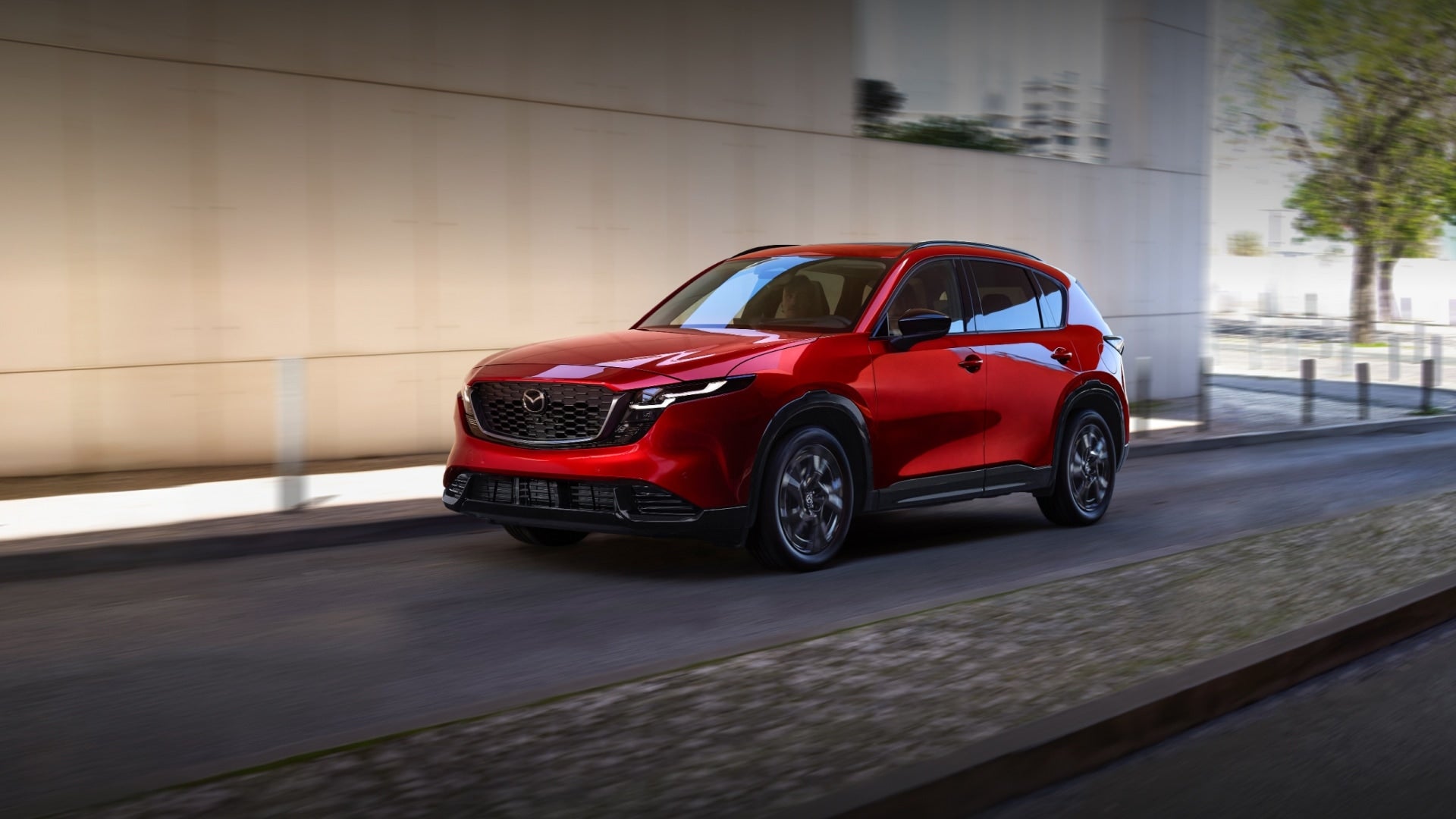
Shoppers comparing the Mazda CX-5 and Toyota RAV4 are usually balancing the same question: which compact SUV feels more comfortable and confident every day while still meeting the needs of errands, passengers, and weekend gear. In Jacksonville, that decision often comes down to commuting comfort, how composed the vehicle feels at highway speeds, and how easy it is to load and live with when the schedule is full. A side-by-side drive is the most reliable way to confirm your preference, but the right checklist keeps the comparison focused.
Comfort and cabin design that support longer commutes
Daily comfort is more than seat softness. It includes driving position, sightlines, how quickly you can adjust climate and audio without distraction, and whether the cabin stays calm when traffic and road texture change. When comparing CX-5 and RAV4, pay attention to seat support across your shoulders and lower back, how naturally your hands fall to the steering wheel and controls, and how quiet the cabin remains at steady speed. These details influence fatigue over time, especially if your routine includes longer highway stretches and frequent starts and stops.
Handling and acceleration confidence for merging, passing, and rain
Most comparison searches are not about maximum horsepower. They are about confidence: how the vehicle responds when you merge, how stable it feels in a lane change, and whether steering and braking feel predictable. Both models offer different powertrain and drivetrain configurations by trim and model year, so the best approach is to confirm what is equipped on the specific vehicles you are considering and then drive them on the same route.
- Start with low-speed steering feel by using a few turns and parking lot maneuvers to see how easily the vehicle places itself.
- Check highway merge response on an on-ramp to understand how quickly the vehicle reaches speed and how settled it feels while accelerating.
- Evaluate braking consistency with a few controlled stops to see if the pedal feel is smooth and easy to modulate.
- Note composure in wet conditions by asking about available all-wheel drive on the trims you are cross-shopping and how traction support systems are designed to intervene.
If you are prioritizing a more connected drive, focus on steering response and body control through ramps and sweeping turns. If you are prioritizing practicality first, focus on how easy it is to drive smoothly in heavy traffic and how the vehicle behaves during quick speed changes.
Cargo and rear seat practicality for errands and weekend plans
Cargo capacity numbers can be helpful, but ownership fit usually comes from usability. The shape of the opening, load floor height, and how the rear seats fold matter just as much as published volume. If your routine includes strollers, groceries, sports gear, or travel luggage, bring a short list of items you regularly carry and test the loading process. This is also where passenger comfort and cargo flexibility meet, because families often need both space for people and space for gear on the same day.
- Measure the cargo opening with your largest common item in mind, such as a stroller frame or cooler.
- Check lift-over height to understand how easy it is to load heavier items without strain.
- Fold the rear seats yourself and confirm whether the process is simple and whether the load floor feels workable for longer items.
- Confirm rear-seat access by sitting behind your typical driving position and noting knee room, head room, and door opening clearance.
If you need consistent flexibility, the most useful comparison is not which model has a larger number on paper. It is which one makes your typical cargo and passenger routine easier to repeat without extra steps.
Safety and driver assistance: confirm trim content before you decide
Safety and driver-assist features are a priority for many buyers, but the decision often depends on trim content and how the systems feel during daily use. Before you commit, verify which driver-assist features are standard versus available on the CX-5 trims you are considering and then test how the alerts and controls behave in normal traffic. The goal is clarity and consistency: systems that provide support without feeling distracting. A product specialist can walk you through the features on a specific vehicle so you are comparing equipped-to-equipped rather than assuming identical packages.
(Note: This article focuses on providing valuable information and does not mention specific pricing, for more information about financing and car buying, please reach out to our dealership.)
For a complete overview of the 2026 CX-5, read our Jacksonville buyer's guide.