Blog

Exploring the Trim Levels of the 2025 Mazda3: Compact Sedan Customized

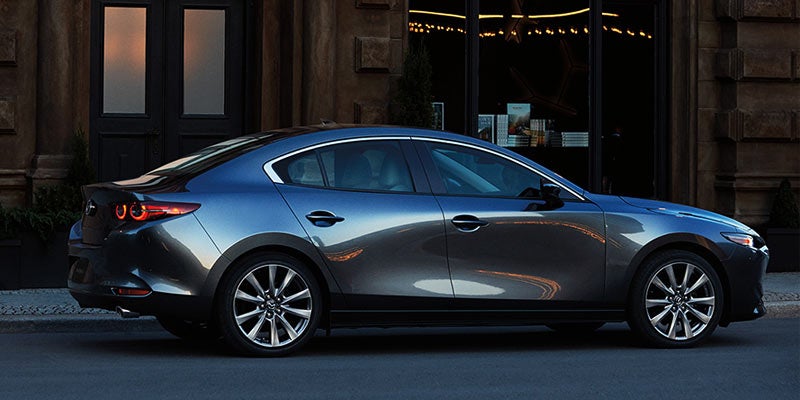
2025 Mazda3 sedan at dusk

The 2025 Mazda3 was named a Car and Driver Editor's Choice pick. Explore the six impressive trims of this premium, fun-to-drive compact sedan.

6 Trim Levels of the 2025 Mazda3 Sedan

1. 2.5 S

The base Mazda3 powertrain features a 191-horsepower engine, six-speed automatic transmission, and front-wheel drive. This set-up delivers 186 pound-feet of torque. The Mazda3 has a standard six-speaker stereo with HD radio, Bluetooth, dual USB-C ports, a 7-inch driver information display, and an 8.8-inch infotainment touchscreen with Android Auto and Apple CarPlay. ​The Mazda Connected Services app gives you access to features like remote start.

Standard safety tech includes rain-sensing windshield wipers, lane departure warning, lane keep assist, Mazda Radar Cruise Control With Stop-and-Go, driver attention alert, automatic high beams, and blind-spot monitoring with rear cross-traffic alert. The base trim also comes with a push-button start and provides more than 13 cubic feet of cargo space. The standard G-Vectoring Control Plus trim makes minuscule adjustments for added stability.

2. 2.5 S Sport

The Sport trim incorporates the Mazda Advanced Keyless Entry system, built-in Amazon Alexa voice commands, and dual-zone automatic climate control. This Mazda3 model also trades the standard cloth for leatherette upholstery.

3. 2.5 S Preferred

The Mazda3 Preferred adds luxuries like a power moonroof. You'll also enjoy the comfort of heated, power-adjustable front seats.

4. 2.5 S Carbon Edition

The Carbon Edition comes with i-ACTIV all-wheel drive. It also adds an eight-speaker stereo and the wireless versions of Apple CarPlay and Android Auto. This model showcases an exclusive Polymetal Gray Metallic exterior finish and red leather upholstery.

5. 2.5 Carbon Turbo

The two highest trims upgrade to an exciting 250-hp turbocharged engine that gets up to 320 pound-feet of torque. The Carbon Turbo has a unique Zircon Sand Metallic exterior finish. It also features a larger 10.25-inch infotainment display.

6. 2.5 Turbo Premium Plus

The top-tier Mazda3 provides the control of steering-wheel paddle shifters. The Turbo Premium Plus trim also features a 12-speaker Bose audio system, a heated steering wheel, a head-up display, and perforated leather sport seats. Exterior upgrades include a black rear lip spoiler and enhanced LED headlights.

Choose from black or trim-exclusive white leather upholstery. Additional safety tech in the Turbo Premium Plus model includes traffic sign recognition, a 360-degree monitor, and an adaptive front lighting system. You can customize any Mazda3 trim with useful accessories like roof-rail crossbars, a rear bumper guard, cargo organizers, and more.

IIHS Top Safety Pick logo


You'll love driving the stylish, sophisticated Mazda3. This model is a Top Safety Pick+ of the Insurance Institute for Highway Safety and earned a five-star overall crash test rating from the National Highway Traffic Safety Administration. Visit Tom Bush Mazda in Jacksonville, FL to experience life behind the wheel now.

Recommended Posts

Mazda Maintenance Costs for CX-5 Owners in Jacksonville

Mazda Maintenance Costs for CX-5 Owners in Jacksonville

Mazda maintenance for a CX-5 can include several kinds of service across the life of the vehicle. Some visits center on oil, filters, tires, and routine inspections. Others add wear items or scheduled parts at later mileage points. For Jacksonville owners, the clearest way to plan is to separate recurring service from wear items and later mileage work. That makes future service easier to review without relying on one fixed yearly price. Mazda CX-5 Maintenance Costs Start With the Type of Service A single maintenance number cannot describe every CX-5. Service needs change with mileage, age, inspection results, and the items due at each visit. For that reason, cost planning works better when service is grouped into clear categories. Routine work forms the baseline. Oil and filter service, tire rotation, and recurring inspections appear more frequently than larger scheduled items. Wear parts need a different plan because replacement follows measured condition, while later mileage service can add items that do not appear during earlier visits. Owners can think about maintenance in three layers. First, plan for routine visits. Next, leave room for wear items. Finally, review the maintenance schedule as mileage and age rise. Tom Bush Mazda already provides a dedicated Mazda CX-5 maintenance schedule that owners can use to review mileage and service timing in more detail. Which Mazda CX-5 Maintenance Costs Should You Plan For? Routine Mazda maintenance includes recurring work and inspections that support normal CX-5 care. Mazda uses a vehicle status monitor to track service timing, while the maintenance schedule sets maximum intervals for several items. For routine planning, keep these categories in mind: Oil and filter service returns throughout the life of the CX-5, so it belongs in your regular service budget. Tire rotation and tire checks deserve recurring attention because tread wear can change from one axle position to another. Brake, fluid, suspension, and steering inspections check current condition without meaning every inspected part needs replacement. That last point matters when reading a maintenance schedule. An inspection is not the same as a replacement. A technician may check a part and find that no further work is needed at that visit. The service reminder should also be read with the maintenance schedule. The reminder tells you when service is due, while the schedule shows which items belong at that point in mileage or time. Together, those two sources give you a clearer view of the visit. When routine service is due, you can also check Tom Bush Mazda’s current service and parts specials before booking an appointment. Tires and Brakes Need Their Own Maintenance Budget Tires and brakes wear gradually, so their timing does not fit one fixed replacement date. Driving distance, load, road surface, tire pressure, and measured wear all shape when replacement becomes necessary. For this reason, inspections matter as much as mileage. Owners should watch several signs between routine visits: Tire tread depth, uneven wear, vibration, or repeated pressure loss can signal that the tires need closer review. Brake noise, pedal changes, or inspection findings can show that brake parts need attention before the next routine visit. Wiper blades, the battery, and other wear items may need replacement at different points than scheduled engine service. A maintenance budget should leave some room for wear parts even when no warning sign is present today. You do not need to guess a replacement date. Inspection results give you the information needed to decide when each item deserves attention. Tire rotation can support more even tread wear, but it does not replace tire inspection. The same idea applies to brakes. Scheduled checks give the service team a chance to measure current condition and explain what could be needed next. Jacksonville owners who want a professional inspection can use the Tom Bush Mazda service center to review current tire, brake, and maintenance needs. How Should You Plan for Higher Mileage Service? Higher mileage Mazda maintenance can include items that appear less frequently than oil service or tire rotation. As the CX-5 ages, filters, spark plugs, coolant, and other scheduled items can enter the service plan. These later items deserve their own planning category: Cabin and engine air filters may need inspection or replacement according to the maintenance schedule and current condition. Spark plugs appear at a later scheduled mileage, so that visit may include more work than a routine oil service. Coolant follows a long interval based on time and mileage, which makes it part of long range service planning. Several items can land near the same mileage range, so one visit may include more work than the previous one. That does not mean the CX-5 suddenly needs constant repair. It means the schedule has moved into another phase. Reviewing the schedule before major mileage points gives you time to check current specials and ask the service team for present pricing. That is more useful than relying on an old article with fixed dollar amounts. You can compare upcoming service needs with the CX-5 maintenance schedule and then review current Tom Bush Mazda service offers. Use the Schedule, Specials, and Service History Together The strongest Mazda maintenance plan uses three sources together: the official schedule, your service history, and current dealer information. The schedule tells you what Mazda calls for, while your records show what has already been completed. Current dealer resources show present offers and appointment options. Start by checking the CX-5 maintenance schedule before your next major mileage point. Then compare it with your repair orders or digital service records. If an item has already been completed, confirm whether it needs attention again. Next, review Tom Bush Mazda service specials for current offers. Service pricing can change, so live specials give you a better reference than a fixed figure in an evergreen article. From there, you can use the Tom Bush Mazda service scheduler when you are ready to set an appointment. Mazda maintenance planning becomes clearer when each service visit has context. Routine work, wear items, and later mileage service do not arrive on the same timetable. By separating those maintenance categories, you can prepare for the next visit with fewer surprises. Tom Bush Mazda can review the CX-5 schedule with you and help connect current service needs with available appointment options.

Bad Credit Car Loans in Jacksonville Preparation Guide

Bad Credit Car Loans in Jacksonville Preparation Guide

Bad credit car loans can feel harder to approach when you do not know what to prepare first. In Jacksonville, a better starting point is getting your financial details organized before you begin an application. That means reviewing your credit, understanding your budget, and knowing what information a lender may review. Preparation does not promise a loan result. However, it gives you a clearer view of the numbers and questions that may come next. Start With Your Credit and Current Budget Before you apply, review your credit reports and your current monthly obligations. Additionally, look for incorrect balances, unfamiliar accounts, or outdated information. If something looks wrong, research the issue before moving deeper into the financing process. Additionally, write down your regular monthly expenses. Include housing, insurance, utilities, current loan payments, and other recurring obligations. Moreover, compare those costs with the payment range you could manage each month. Still, the monthly payment should not stand alone. A longer loan term can reduce the payment while increasing the total amount paid. Therefore, start with the full budget instead of choosing a vehicle from payment alone. For bad credit car loans, your credit report and budget also give you useful questions for the finance team. You can ask what information the application needs and what loan terms require closer review. That preparation keeps the discussion focused on numbers you understand. Tom Bush Mazda also has a dedicated bad and low credit assistance page where Jacksonville shoppers can review dealership financing resources before applying. What Should You Prepare Before Applying for a Car Loan? You should prepare identity, income, housing, and current financial information before starting an application. However, exact document requests can vary by lender. The goal is to have accurate records ready if they are requested. A few categories are worth organizing before you begin: Bring current identification and address information so application details are accurate from the start. Gather recent income records in case the lender asks for documentation supporting current earnings. Keep current debt and payment information nearby so you can answer financial questions accurately. If you already know which vehicle you want, keep its basic details handy. However, do not assume the financing terms are final because you selected a vehicle. Therefore, the application review and final contract establish the actual loan terms. It also helps to organize trade information before visiting the dealership. Bring the current loan payoff amount if you still owe money on the vehicle. Additionally, note the vehicle identification number, mileage, and general condition. For bad credit car loans, this preparation gives you cleaner information to work from. It also reduces the chance that an important number gets overlooked during the financing discussion. If you are ready to provide your information, you can also move directly to the Tom Bush Mazda finance application. Plan Your Down Payment and Trade Before Choosing a Vehicle With bad credit car loans, a down payment reduces the amount you need to finance. Cash can serve that purpose, and positive trade equity can also contribute. Therefore, it helps to know what you can put toward the purchase before comparing loan structures. Your trade deserves its own review. Additionally, start by estimating its current value and checking the exact payoff amount. The difference between those numbers tells you whether you have positive or negative equity. Before you discuss a trade, write down three figures: Record the estimated trade value so you have a starting point for the vehicle. Record the exact payoff amount if money is still owed on the current loan. Record your planned cash down payment so you can see the full upfront amount. Positive equity means the trade value exceeds the payoff amount. That value can reduce the remaining purchase amount. By contrast, negative equity means the payoff exceeds the trade value. If negative equity exists, ask how it will be handled in the new transaction. Some deals may include that remaining balance in the new financing amount. As a result, the amount financed can rise even when the replacement vehicle costs less than expected. Moreover, these figures make it easier to compare early estimates with final numbers. They also give you clearer questions for the finance team. Shoppers who want to compare vehicle options before discussing final terms can review current Mazda inventory at Tom Bush Mazda. Understand Co Signers and Prequalification Before Applying With bad credit car loans, a co signer agrees to share legal responsibility for the loan. If the primary borrower does not pay, the co signer can become responsible for repayment. Therefore, both people should understand the obligation before signing anything. A co signer should never be treated as a casual addition to an application. Missed payments can create financial problems for both people. Consequently, discuss repayment plans before submitting a joint application. Prequalification can also appear during early financing research. It can provide preliminary information based on the details supplied during the process. However, preliminary terms are not the same as a final loan contract. Final terms can change after a lender completes its review. For this reason, use prequalification as an early reference point, not a final answer. Compare any later offer with the information you received earlier. When reviewing either stage, focus on the full loan structure. Look at the amount financed, annual percentage rate, loan term, and estimated payment together. That gives you a more complete view than a payment figure alone. For a dealership specific next step, the Tom Bush Mazda finance center can help connect your application with the dealership’s available financing process. What Should You Review Before Signing an Auto Loan? Before signing bad credit car loans, review the amount financed, annual percentage rate, loan term, payment, and total amount paid. These figures show how the loan is structured. Before you sign, confirm each of these items: Confirm the amount financed matches the agreed purchase details and any approved additions. Review the annual percentage rate and loan term together instead of focusing only on the monthly payment. Check trade payoff details carefully if your current vehicle is part of the transaction. Therefore, first confirm the amount financed. Make sure it reflects the agreed vehicle price, down payment, trade details, and any approved additions. If a number looks different, ask for an explanation before signing. Next, review the annual percentage rate and loan term. A lower monthly payment may come from a longer term. Therefore, compare the total cost across the full contract. Also, check that your trade payoff appears correctly if a trade is part of the deal. If negative equity is included, confirm where that balance appears. Knowing that figure matters before you accept the contract. Finally, review every page before you sign. Ask questions about anything that is unclear. A finance agreement should make sense to you before you commit to it. Bad credit car loans become easier to review when your financial information is organized. Tom Bush Mazda in Jacksonville has a credit assistance resource for customers who want to explore financing options. From there, you can continue to the finance application when you are ready to provide your information.

Mazda CX 90 vs Honda Pilot Space Comfort and Driving Feel

Mazda CX 90 vs Honda Pilot Space Comfort and Driving Feel

Mazda CX 90 shoppers looking at three-row SUVs usually need more than a seating count. Because families use three rows differently, passenger room, cargo space, and road feel all deserve attention. The Honda Pilot approaches those needs with a roomy cabin and flexible seating. By contrast, the Mazda CX-90 takes a different path with standard all-wheel drive and a turbocharged inline-six. Looking at both layouts side by side makes the differences easier to judge. Mazda CX-90 and Honda Pilot Take Different Approaches to Three-Row Travel Both SUVs offer three rows and seating for up to eight in selected configurations. However, their proportions tell different stories. The CX-90 rides on a 122.8-inch wheelbase. The Pilot uses a 113.8-inch wheelbase. Therefore, a longer wheelbase does not guarantee more cabin room. Seat placement and cabin packaging also shape usable space. Mazda gives the CX-90 a long hood and a drivetrain layout that supports its road-focused character. Honda uses its cabin space differently. The Pilot puts strong emphasis on passenger room and cargo volume. Consequently, those choices become clear when you move past exterior size and inspect each seating row. For a family, the useful question is simple. With that in mind, where will people sit most days? A household using the third row every week may judge these SUVs differently. Another family may fold those seats for cargo. In addition, steering feel and power delivery deserve attention during the same evaluation. Jacksonville shoppers can also review Tom Bush Mazda’s current Mazda inventory to see which CX-90 configurations are currently available. How Different Is the Third Row in the Mazda CX-90 and Honda Pilot? The third rows differ most clearly in measured legroom and shoulder room. The 2026 Pilot lists 32.5 inches of third-row legroom. Published CX-90 specifications list 30.4 inches. Therefore, that gap deserves attention when older children or adults use the rear seats. Moreover, seat count needs context. Both SUVs can seat up to eight, but trim choice changes the second-row layout. Some versions use captain's chairs, while others use a bench. As a result, that choice changes passenger flow, center access, and access to the third row. Beyond that, check more than legroom during a visit. Sit in every row that your household plans to use. Move the second row into a position that gives both rows enough knee room. Afterward, check headroom, shoulder room, foot space, and entry clearance. In addition, families with child seats should test their normal arrangement. A third row may look spacious when the second row is empty. However, the same layout can feel different once child seats, bags, and daily gear are in place. Cargo Space Depends on Who Is Coming Along Therefore, cargo numbers become useful only when they match the seating layout you plan to use. The Pilot provides more cargo volume in published measurements. Honda lists 18.6 cubic feet behind the third row before its maximum measurement method is applied. Published CX-90 specifications list 14.9 cubic feet with all seats in place. Still, the bigger question is how much space remains while passengers stay seated. A family carrying six or seven people cannot use the same cargo figure as someone who folds both rear rows. For this reason, space behind the third row deserves close attention for school trips, airport runs, or weekend travel. When comparing both SUVs, bring a mental list of what usually rides with you: Check whether your stroller, sports bag, or cooler fits with the third row raised. Fold only the seats you would normally fold on a normal trip, then inspect the remaining floor area. Look at the cargo opening, floor height, and seat-folding process, since shape can matter as much as total volume. Additionally, a tape measure can be useful if you carry an item with fixed dimensions. Cubic feet describe total volume. However, they do not tell you whether a wide or tall object will fit through the opening. The Powertrains Explain Much of the Difference From the Driver's Seat By contrast, the CX-90 and Pilot take different mechanical approaches. Mazda uses a turbocharged 3.3-liter inline-six with an eight-speed automatic. The standard CX-90 3.3 Turbo produces up to 280 horsepower and 332 pound-feet of torque. Mazda also includes i-Activ all-wheel drive across the CX-90 lineup. Honda uses a naturally aspirated 3.5-liter V6 with a ten-speed automatic. The 2026 Pilot produces 285 horsepower and 262 pound-feet of torque. Front-wheel drive is offered on selected trims, while Honda's i-VTM4 all-wheel drive is available or standard elsewhere in the lineup. However, horsepower alone does not explain how each SUV responds. Torque output and engine speed matter during acceleration. The Mazda's standard turbo engine reaches its 332 pound-feet at 2,000 rpm. The Pilot reaches 262 pound-feet at 5,000 rpm. As a result, the two engines deliver power differently. Therefore, the road test should focus on what you feel through normal inputs. Accelerate from a stop. Merge onto a faster road. Make a smooth turn at neighborhood speed. Notice steering weight, throttle response, transmission shifts, brake feel, and body motion. Moreover, Mazda's brand philosophy places strong emphasis on connection between the driver and the car. The CX-90 carries that idea into a larger three-row format. By contrast, Honda gives the Pilot a different focus. Cabin room and flexible family seating take a larger role in the package. Jacksonville shoppers who want to compare available configurations can browse Tom Bush Mazda inventory before planning a visit. What Should You Compare During a Three-Row SUV Test Drive? For this reason, a useful test drive checks the parts of the SUV your household will use every week. Start with seating, then cargo, then the drive itself. Consequently, that order keeps the evaluation tied to your daily routine. Before leaving the lot, set the driver's seat where you want it. Then check the second and third rows without moving that front position. Test seat access and cargo space with the cabin arranged for your normal passenger count. Afterward, use familiar driving inputs on the road. Try a stoplight launch, a steady cruise, a lane change, and a low-speed turn. Listen for cabin noise and pay attention to how quickly each drivetrain responds. A strong comparison also includes a few practical checks: Sit in every row your household expects to use on a regular basis. Load the type of gear you normally carry and check the remaining cargo area. Compare steering, throttle response, braking, and ride quality on similar roads. In the end, the Mazda CX-90 and Honda Pilot solve the same three-row task in different ways. The Pilot gives more published space in several cabin and cargo measurements. The CX-90 pairs three-row seating with a turbo inline-six and standard all-wheel drive. Your strongest comparison comes from testing both with the same people, gear, and route you expect to use after purchase. When you are ready to look more closely at the Mazda side of the comparison, you can explore current Mazda vehicles at Tom Bush Mazda.