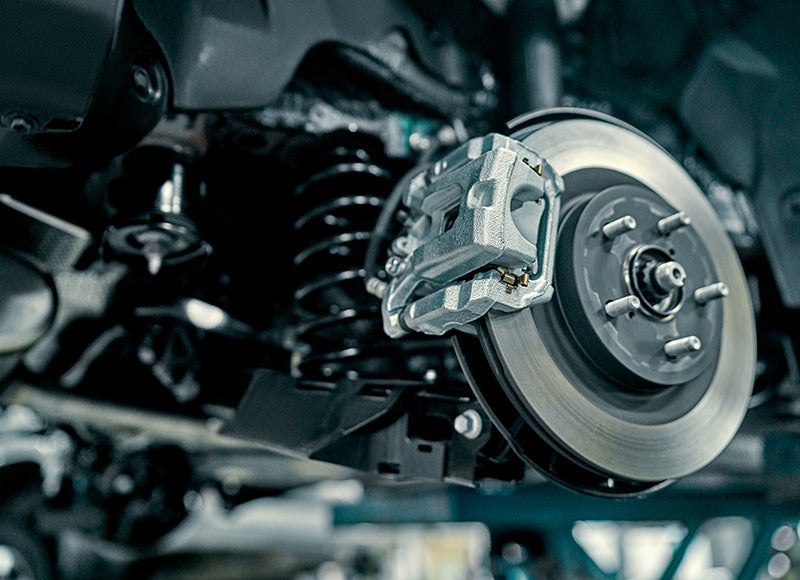
Keeping up with your Mazda brake service schedule is one of the easiest ways to protect yourself and your passengers on the road in Jacksonville, FL. Mazda has earned recognition as Consumer Reports' Safest New-Car Brand, and that commitment to safety doesn't stop at the factory - it extends to how you maintain your vehicle over time. Why Mazda Takes Brake Maintenance Seriously Mazda's entire lineup, from the CX-5 to the Mazda3 Sedan, has earned 2026 IIHS Top Safety Pick+ awards. That level of safety recognition reflects advanced engineering built into every model. But those systems only perform at their best when the underlying hardware - including your brakes - is properly maintained. General Guidelines for Brake Inspections Most automotive technicians recommend having your brakes inspected at least once a year. However, how you drive is just as important as how often you drive. Stop-and-go city traffic, frequent highway merging, and hilly terrain all accelerate wear on brake pads and rotors. Brake pads typically need replacement every 25,000 to 70,000 miles, depending on driving habits and pad material. Rotors generally last longer but should be evaluated every time pads are replaced. If you notice squealing, grinding, a vibrating pedal, or a longer stopping distance, don't wait for your next scheduled visit. When to Get a Brake Inspection City d riving conditions around downtown corridors and busy interchange routes put steady demands on your braking system. Knowing when to get a brake inspection means paying attention to both time and symptoms. A good rule of thumb is to schedule an inspection every 12 months or every 12,000 miles, whichever comes first. If your Mazda features Smart Brake Support - part of Mazda's i-Activsense safety suite - that system relies on your physical brakes to execute emergency stops properly, making maintenance even more critical. Brake Fluid and the Full Service Picture Brake fluid is often overlooked, but it plays a direct role in how effectively your system transfers pedal pressure to stopping force. Mazda recommends replacing brake fluid every two years under normal conditions. Over time, fluid absorbs moisture and loses its effectiveness, which can increase stopping distances. When you come in for a brake inspection, a qualified technician should also check the brake lines, calipers, and wheel cylinders for wear or leaks. Knowing when to get a brake inspection also means making sure the full system - not just the pads - gets a thorough look. Staying on Schedule With Your Mazda Every Mazda comes with an owner's manual that outlines the recommended maintenance intervals for your specific vehicle. The CX-70, for example, uses a 3.3 L turbocharged inline-6 engine with driving dynamics that benefit from a well-functioning brake system. The CX-50 Hybrid, rated at 38 MPG combined, uses regenerative braking alongside traditional friction brakes - a combination that requires specialized inspection knowledge. Sticking to your Mazda brake service schedule is the simplest way to keep your vehicle performing the way it was designed. Visit Tom Bush Mazda for Your Next Brake Service If you're due for an inspection or just want peace of mind, the Tom Bush Mazda Service team is ready to help. Serving drivers throughout Jacksonville, FL, they have the tools and expertise to keep your Mazda's braking system in top shape. Don't wait for a warning sign - stay ahead of it by following your Mazda brake service schedule. Visit us online today at tombushmazda.com to schedule a brake inspection.