

Mazda CX-70 vs CX-90 comparisons usually start with size, though passenger layout, cargo flow, and how each SUV fits daily life shape the larger decision. Both SUVs share Mazda’s calm interior design philosophy, responsive driving feel, and upscale cabin presentation, though they approach space and family movement differently. One focuses on open two row flexibility while the other prioritizes larger passenger capacity and expanded seating adaptability.
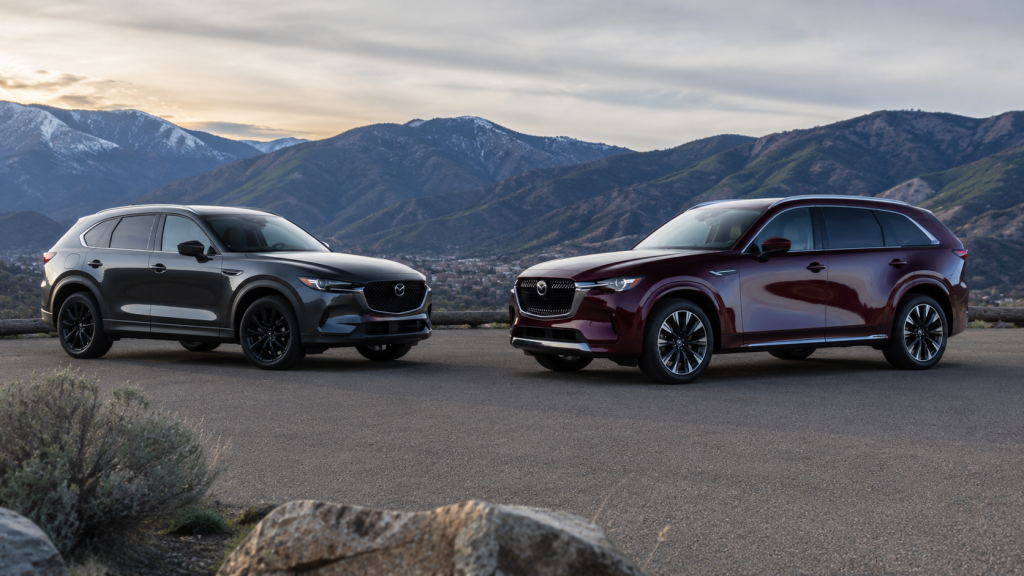
For shoppers comparing these SUVs, the question is usually less about which one is “better” and more about which one naturally fits how the vehicle will be used each week. Passenger count, cargo habits, parking routines, travel patterns, and household structure all shape the decision differently.
CX-70 vs CX-90 Seating and Passenger Layout
Do you really need a third row? A third row changes how passengers move through the SUV, how cargo space is distributed, and how flexible the interior feels during family travel.
The Mazda CX-90 uses a three row layout built around larger households and expanded passenger flexibility. Families carrying children, relatives, teammates, or additional passengers throughout the week may appreciate the extra seating capacity even if the third row is not occupied every day.
The Mazda CX-70 removes the third row entirely and uses the cabin space differently. Without the rear seating section, the interior creates a more open cargo and passenger environment behind the second row. Rear passengers gain additional breathing room while the cargo area feels more continuous and accessible.
Passenger layout influences:
- how easily passengers move through the cabin
- whether luggage and passengers compete for space
- how child seats influence seating flexibility
- whether adults fit comfortably during longer trips
- how much rear cargo remains available with passengers onboard
The CX-90 supports larger family movement more naturally when additional seating is required. The CX-70 creates a cleaner interior flow for households prioritizing cargo openness and second row comfort instead of maximum passenger count.
Cargo Space and Storage Flexibility
Cargo volume numbers alone rarely explain how usable an SUV feels once travel gear, groceries, backpacks, or sports equipment begin filling the interior.
The Mazda CX-70 benefits from its two row layout by creating a longer uninterrupted rear cargo area. Large items fit more naturally because there is no folded third row structure shaping the floor behind the second row. Loading luggage, coolers, pet carriers, or larger travel equipment feels simpler because the cargo zone remains fully dedicated to storage.
The CX-90 divides its rear space differently because the third row occupies part of the cargo footprint. When additional seating is folded down, the larger SUV still creates substantial storage flexibility, though cargo organization changes depending on whether the rear seats are occupied.
Families should evaluate:
- how frequently all passenger seats are used
- whether travel involves larger luggage loads
- stroller or sports equipment storage needs
- cargo floor accessibility
- loading height and rear opening width
- whether rear passengers or cargo take priority more frequently
This comparison matters because some households value passenger flexibility above all else, while others spend far more time hauling equipment, pets, or travel gear than additional passengers.
The CX-70 tends to feel more open and cargo-focused. The CX-90 leans more heavily toward balancing passenger count alongside storage adaptability.
Maneuverability and Everyday Driving Feel
Which SUV feels easier to drive every day? SUV size is not only about dimensions. Visibility, turning feel, seating position, and driver awareness all influence whether an SUV feels natural during commuting, parking, and city driving.
The Mazda CX-70 generally creates a slightly less intimidating driving impression because the body structure feels shorter and more cargo-focused from the driver’s seat. Parking transitions, tighter parking lots, and urban maneuvering may feel more approachable for drivers moving from smaller crossovers or midsize sedans.
The CX-90 still maintains Mazda’s strong visibility philosophy and controlled steering feel, though the longer three row structure changes how the SUV rotates through tighter spaces. Drivers managing school pickup lines, parking garages, or narrow city streets may notice the added footprint during lower speed maneuvering.
Driving feel is shaped by:
- seating position visibility
- front corner awareness
- turning radius
- rear visibility
- parking camera integration
- body length perception from the driver’s seat
Mazda’s interior design philosophy keeps controls and visibility organized cleanly across both SUVs. That consistency helps reduce the adjustment period even when transitioning into a larger family-oriented vehicle.
For households balancing commuting with family hauling, the CX-70 may feel easier to integrate into tighter urban routines. The CX-90 provides additional passenger flexibility while still maintaining a composed and controlled driving character.
Road Trip Comfort and Family Travel Evaluation
Family travel changes how SUV space is evaluated. A cabin that feels spacious during a short test drive can feel very different after several hours on the road with passengers, luggage, charging cables, drinks, snacks, and travel equipment spread throughout the interior.
The Mazda CX-90 supports larger group travel more comfortably when additional passengers regularly join longer trips. Multiple seating rows create better passenger separation, helping reduce crowding during vacations or extended drives.
The CX-70 approaches travel differently. Without the third row, rear cargo stays more accessible while second row passengers benefit from a more open cabin environment. Couples, smaller families, or households traveling with pets may appreciate the uninterrupted cargo flexibility and simpler passenger arrangement.
Travel comfort should be evaluated through:
- rear passenger spacing
- charging access across seating rows
- luggage organization
- visibility during long drives
- third row accessibility
- passenger movement during stops
The CX-90 generally fits larger households carrying multiple passengers throughout the week. The CX-70 fits drivers prioritizing cargo simplicity, easier storage access, and a less crowded cabin structure during travel.
Which Mazda SUV Fits Your Life Better?
The Mazda CX-70 and CX-90 share many core strengths including cabin craftsmanship, thoughtful design flow, responsive driving manners, and strong visibility from the driver’s seat. The larger difference comes from how each SUV organizes space around different household priorities.
The CX-70 aligns naturally with:
- smaller families
- couples needing larger cargo space
- pet owners
- commuters transitioning from smaller SUVs
- drivers prioritizing open storage flexibility
The CX-90 aligns more naturally with:
- larger households
- growing families
- frequent passenger transport
- carpools and team travel
- families needing third row adaptability
Neither SUV feels oversized in the disconnected way some larger crossovers can. Mazda’s cabin design philosophy keeps both vehicles calm, organized, and easy to understand from behind the wheel. The decision comes down to whether passenger capacity or open cargo flexibility plays a larger role in everyday life.
For households regularly balancing passengers, luggage, and family movement together, the Mazda CX-90 stands out as the more accommodating option across a wider range of travel situations. For drivers wanting a cleaner two row layout with generous cargo space and a slightly easier urban driving footprint, the Mazda CX-70 creates a simpler and more open ownership flow while still maintaining the elevated comfort and thoughtful design that define Mazda’s SUV lineup.
Connect with us


