

Leasing a 2026 Mazda CX-30 is less about chasing the lowest advertised payment and more about understanding how the vehicle’s design, trims, and real-world use shape what you actually pay each month. Because a lease only covers the portion of the vehicle you use, small decisions around trim level, drivetrain, and mileage expectations can meaningfully change both cost and satisfaction over the lease term.
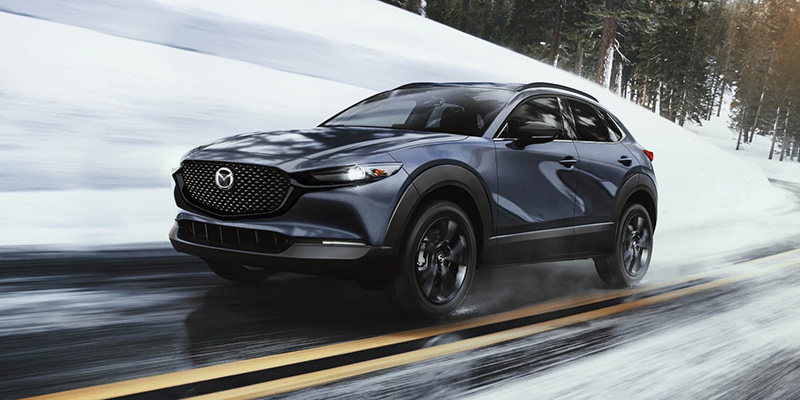
This breakdown focuses on how the Mazda CX-30 lease pricing is structured, what truly moves the payment, and which features tend to deliver value in a lease environment rather than long-term ownership.
How Mazda CX-30 Lease Payments Are Built
Every CX-30 lease starts with three core components working together:
- Capitalized cost which is the negotiated vehicle price plus any added fees or accessories
- Residual value which is Mazda’s projected value of the vehicle at the end of the lease
- Mileage and term length which define how much depreciation you are responsible for
Your monthly payment is essentially the difference between the starting price and the residual value, spread across the lease term, with interest and taxes applied.
Because Mazda vehicles typically hold value well in the compact crossover segment, the CX-30 benefits from relatively stable residuals, especially in trims that balance features without excessive price escalation.
Trim Selection and Its Impact on Lease Cost
Trim choice is one of the most influential lease variables because it affects both sides of the equation: starting price and residual value.
On the CX-30 lineup, trims generally progress from practical to performance-oriented. As you move up the range, you gain features like upgraded interior materials, larger wheels, advanced driver assistance enhancements, and in some cases turbocharged performance.
From a lease perspective:
- Lower to mid trims tend to lease efficiently because they maintain strong resale value relative to cost
- Higher trims raise the monthly payment more quickly because the added cost is not always matched by proportional residual increases
- Turbo models deliver meaningful performance gains, but they typically increase depreciation exposure over a short lease term
Leasing favors trims where the equipment aligns with how the vehicle will be used day to day, not necessarily the most feature-dense configuration.
Drivetrain and AWD Considerations
The CX-30’s available all-wheel drive system is a frequent point of lease discussion. AWD adds cost upfront, but it also adds functional value in climates where traction consistency matters.
From a payment standpoint:
- AWD increases the capitalized cost slightly
- Residual value may improve depending on regional demand
- The net monthly increase is often modest compared to the usability benefit
For drivers in areas with winter weather, uneven road conditions, or frequent highway travel, AWD often justifies its lease impact because it directly supports confidence and control throughout the term.
Mileage Selection and Real-World Use
Mileage limits are not a formality. They are one of the most misunderstood and costly lease decisions.
Most CX-30 leases are structured around standard annual mileage options, with higher mileage lowering the residual value. That means:
- Choosing too few miles can result in costly overage charges later
- Choosing too many miles increases the payment unnecessarily if you underuse them
A realistic assessment of commuting patterns, weekend driving, and seasonal travel is essential. Because the CX-30 is often used as a daily driver rather than a secondary vehicle, underestimating mileage is a common mistake.
Features That Matter Most in a Lease
Leasing shifts the value conversation. You are paying for use, not longevity. That changes which features are worth prioritizing.
Features that typically justify their lease cost include:
- Driver assistance systems that actively reduce fatigue and improve daily comfort
- Infotainment upgrades that directly affect every drive
- Interior comfort features that enhance short-term satisfaction
Features that matter less in a lease context often include cosmetic enhancements that do not materially improve driving experience or resale stability.
The CX-30’s interior design philosophy emphasizes driver connection and intuitive layout, meaning even lower trims feel cohesive. This allows many lessees to avoid unnecessary upgrades while still enjoying a refined cabin environment.
Prequalification and Payment Predictability
Mazda prequalification plays a role not just in approval, but in payment clarity. Understanding where you fall financially before selecting trim and mileage prevents mismatched expectations.
Prequalification helps determine:
- Likely interest rate tier
- Required upfront costs
- How aggressively trims or mileage adjustments affect payment
This step allows the lease structure to be tailored to the driver rather than forcing compromises later in the process.
Lease Versus Finance for the CX-30
The CX-30 sits in a space where both leasing and financing make sense depending on priorities.
Leasing aligns well for drivers who:
- Prefer predictable ownership costs
- Want access to newer technology more frequently
- Drive within defined mileage ranges
Financing may suit drivers who:
- Plan long-term ownership
- Drive significantly above average mileage
- Intend to retain the vehicle beyond the first ownership cycle
The CX-30’s balanced design means neither path is inherently superior, but the lease option rewards clarity in how the vehicle will actually be used.
Final Ownership Perspective
A well-structured 2026 Mazda CX-30 lease is not about minimizing payment at all costs. It is about aligning trim, features, and mileage with real driving behavior so the vehicle feels intentionally chosen rather than compromised.
When the lease structure reflects how the CX-30 is driven and enjoyed, the result is a monthly payment that feels justified by the experience behind the wheel.
Connect with us


