

Over 40 percent of fatal collisions occur at night, even with far fewer cars on the road. The key factor here is visibility. Without bright headlights after dark, any driver's chances of having an accident dramatically rise. If you're experiencing the following issues with your headlights, keep yourself and your passengers safe by installing new headlights at your local Mazda dealership. Need New Headlights? Visit Your Mazda Dealership Today Dimming Light Most headlight bulbs fade in the last few weeks or months of their lifespan. This gradual fading might not be obvious at once. If you find yourself struggling to see the road ahead and suspect your headlights are weakening, ask a trusted technician to examine the bulbs. Headlight bulbs rarely fail at precisely the same time, so it's likely that a dimming bulb will cause the light to fade on just one side of your car. If both your headlights appear to be weakening, you might have an underlying problem with the battery or other elements of the electrical system. Discolored Light If the light ahead of your car seems discolored, hazy, or cloudy, then one or more of your headlight lenses could be dirty or damaged. To examine the quality of the light, you can set your car facing a closed garage door and shine your headlights on it. Headlight lenses can sometimes become coated with dirt or grime, which you might be able to clean away. Your lenses can also become more seriously damaged by UV rays in sunlight, which oxidize the acrylic, causing dark patches and microcracks. In this case, the lenses will usually need to be replaced. Flickering Light Some types of headlight bulbs flicker as they age. If your headlights are flickering, one of your bulbs is probably about to fail. Flickering could also be caused by a fault in the wiring or bulb harness. If you use halogen bulbs, the flickering could result from a broken or burned-out filament; HID or LED bulbs are typically less likely to flicker. High-Beam Failure Hard-working high-beam bulbs can sometimes fail before the low beams. This would leave you with a significantly reduced ability to see the road ahead, so it's important to immediately replace malfunctioning high beams. Blowing Fuse Problems with the bulb, harness, or wiring could cause the headlight fuse to blow. This fuse will also blow if a sudden electrical surge threatens to damage the bulbs. If your headlight fuse repeatedly blows, ask a technician to figure out the cause. Visit Tom Bush Mazda in Jacksonville, FL, today to have your headlights tested, repaired, or replaced. Since 1974, we've been offering drivers in and around our local community a terrific range of vehicles alongside top-notch maintenance services and customer care.
All
Jacksonville Mazda Service
Jacksonville Mazda Dealer
Tom Bush Mazda
Tom Bush Mazda Service
Things To Do In Jacksonville
Jacksonville Amenities
Jacksonville Entertainment
Jacksonville Used Cars
Tom Bush Family of Dealerships
Jacksonville Eateries
Jacksonville Restaurants
Jacksonville Parks
Family Fun in Jacksonville
Jacksonville Landmarks
Jacksonville Foodies
Tom Bush Financing
Mazda Trade-In
Tom Bush Mazda Collision Center
Auto Financing
Food Delivery in Jacksonville
Jacksonville Museums
Road Trips
Things To Do Near Jacksonville
Car Warranty
Jacksonville Collision
Shopping in Jacksonville
Tom Bush Mazda in Jacksonville, FL
Weekend Getaways
Holiday Fun
Maximizing Your Mazda's Performance: Essential Maintenance Tips
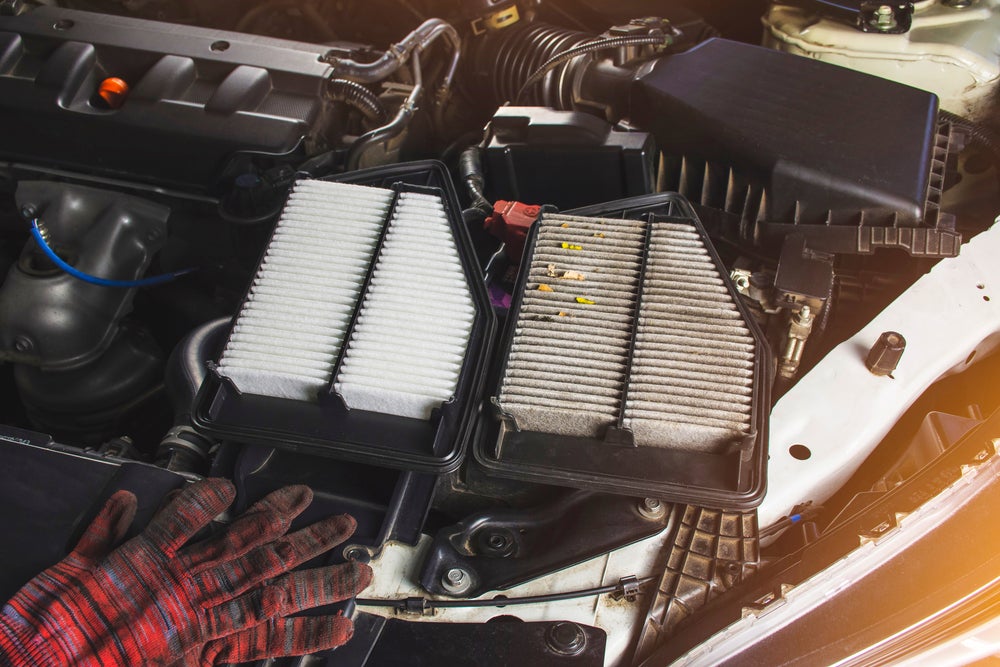
As your Mazda dealer, we have trained technicians and state-of-the-art facilities to provide the maintenance your vehicle requires to stay in great shape. Regular maintenance prevents many future repairs by fixing minor issues before they can develop into more serious problems. We'd like to tell you more about a few examples of the types of Mazda maintenance we provide. Examples of Mazda Maintenance Available at Your Mazda Dealer Cabin Air Filter Replacement The cabin air filter removes dust, pollen, and dirt to ensure that only clean air blows into your cabin. It also filters the cold air from the AC and removes any minute particles left behind after the cooling process. As time passes, this filter will become clogged with dirt, and pollen and other allergy-causing substances will circulate in the air. Dirt can hide bacteria or mold spores, and air blowing through a dirty filter means you can breathe in the organisms and become ill. In addition, the cabin will have a musty, earthy smell due to floating dust. Our technicians can quickly replace a clogged filter, and you'll be breathing clean air again in no time. Wiper Blade Replacement Most drivers don't really think about their wiper blades, at least until rain arrives. The blades are made from high-quality rubber, the most efficient substance to efficiently clean your windshield without causing any damage. Even high-quality rubber degrades due to heat, rain, and UV rays and the blades will become less flexible. The lack of flexibility can cause the blades to crack or break, and damaged blades leave streaks or smears behind when they clean. Damaged blades can also potentially scratch the windshield, and a scratch can rapidly turn into a crack that needs repair. Wiper blades are inexpensive, and we can speedily install a new set to ensure unobstructed visibility in even the heaviest rain. Tire Replacement Your tire tread slowly wears down due to surface friction, and a low tread reduces driving safety. Worn tires increase stopping distance when you hit the brakes and reduce handling when driving or cornering. In rainy conditions, the severely worn tread can even cause your Mazda to skid, which can easily lead to an accident. Damaged tires are also more likely to develop leaks or blowouts. We offer several services to extend tire life, including tire balancing, wheel alignment, and tire rotation. Eventually, the time will come when your tires need replacement. We stock a complete range of tires from all major manufacturers in the correct size for your model. Our technicians will replace your tires and correctly balance them while you wait so you can drive safely again. When you need maintenance, contact the Mazda-trained experts at Tom Bush Mazda in Jacksonville, FL.
3 Services Offered by Your Mazda Dealer
A Mazda service is performed by Mazda-trained technicians using only Mazda-approved parts. Regular servicing allows minor issues to be fixed before they can turn into problems, while also increasing your Mazda's performance and extending its lifespan. As your Mazda dealer, we want to give you a few examples of the types of service we provide. 3 Examples of Mazda Service Offered by Your Mazda Dealer Cabin Air Filter Replacement The cabin air filter traps dust, pollen, microbes, and other airborne contaminants before they enter your cabin. This ensures the air is as clean as possible. As time passes, the filter will become clogged with dirt, reducing airflow in the cabin and lowering air quality. Unlike the engine air filter that filters air before it's used in combustion, the cabin filter isn't easy to access. While you can't check the filter condition, you'll usually smell a musty slightly stale smell inside the cabin. On average, this filter needs replacement every 15,000 to 30,000 miles, depending on your model. Our technicians can quickly replace a dirty filter, and you'll feel an immediate increase in air quality. Tire Rotations Your tires wear as you drive due to surface friction. Minute pieces of the rubber will fleck off, and the tread gradually wears down. This wear and tear is normal, but it can be unnecessarily increased if your tires aren't regularly rotated. Each tire position generates a specific wear pattern, and continual wear on the same sections reduces traction and makes a puncture or blowout more likely. A tire rotation reduces this damage. Our technicians shift each tire to a new position and rebalance them if necessary. Your drive system determines the exact positions the tires move to. FWD, RWD, 4WD, and AWD systems have different weight distributions, and weight is a factor that increases tire damage. Regular rotations spread wear damage more evenly and prolong tire life. Battery Testing No driver wants to hear the sad click-clink of a dead battery, and fortunately, this is an easily avoidable situation. The average battery life is three to five years, although this can be reduced if the battery operates for lengthy periods in extremely hot or cold conditions. We advise testing your battery when it's three years old, as this gives a clear indication of its remaining life. Our technicians will hook your battery to our computerized battery tester. This machine subjects your battery to various load tests and gauges its performance. If your battery is still in good condition, we advise retesting in about a year. If your battery is failing, we'll install a new Mazda battery, and you can drive with peace of mind, knowing your car will start perfectly every time. Book your maintenance today by contacting our service department at Tom Bush Mazda in Jacksonville, FL.
What Do Your Mazda's Dashboard Warning Lights Mean?
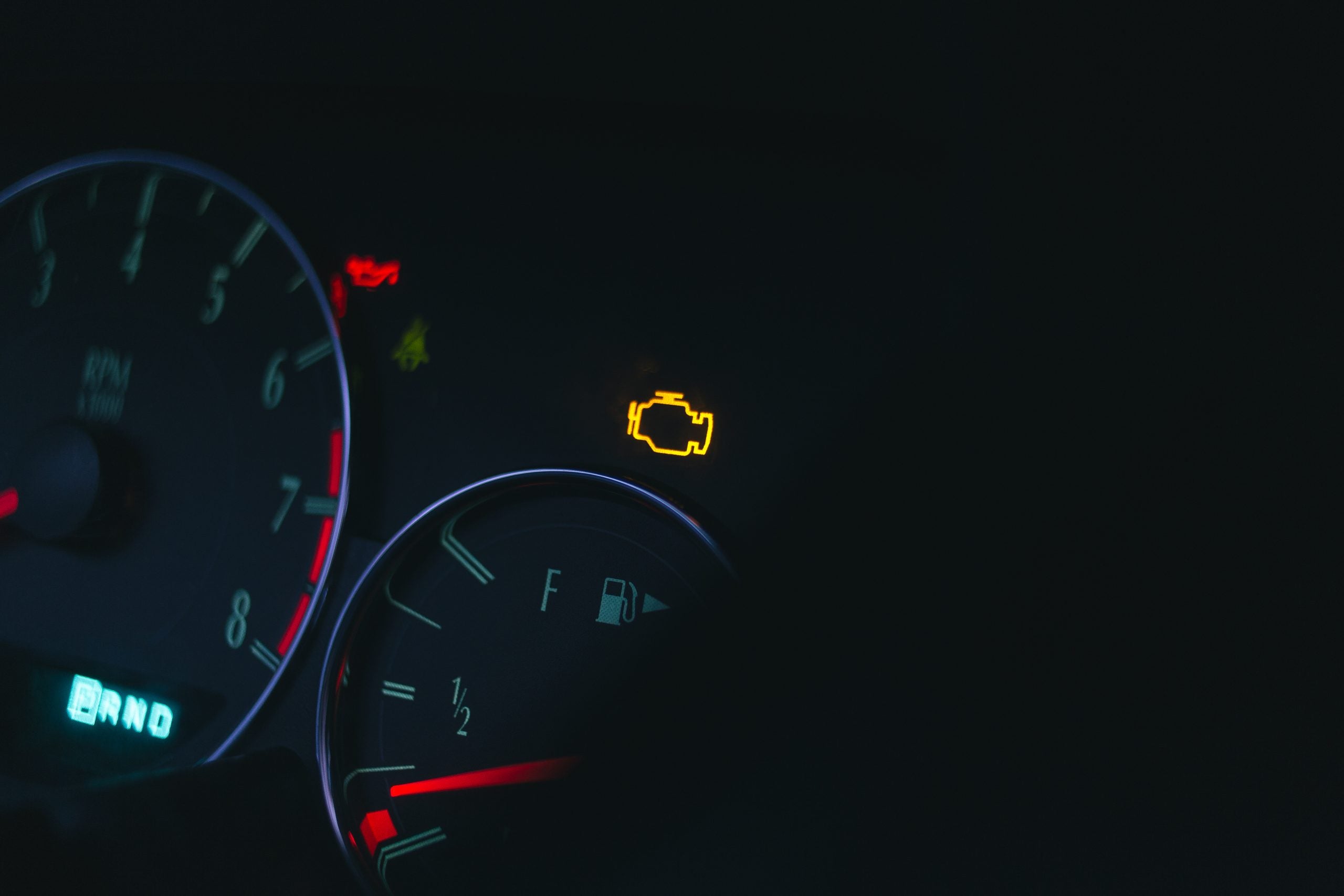
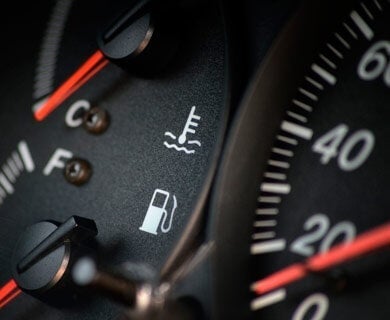
From signaling low oil levels to indicating an electrical fault, dashboard warning lights are your Mazda's way of telling you something is wrong. We discuss the most common warning lights so you know when it's time to take your CX-30, Mazda3, or CX-50 to your local Mazda dealer and have the experts check it out. From Your Local Mazda Dealer: What Your Mazda's Dashboard Warning Lights Mean Low Oil Level As with many dashboard lights, the low oil indicator always appears when you start your Mazda. However, if the oil can icon stays on, your vehicle is telling you it needs lubricating. Check the oil level once the engine has cooled and the oil has drained back into the sump and top up with fresh oil if required. If the light continues to illuminate, visit your local Mazda services station, as it may be time for an oil change. Tire Pressure Problem When an exclamation mark (!) inside a bowl begins flashing or stays lit, the Mazda's Tire Pressure Monitoring System is indicating a major problem that needs to be addressed immediately. As soon as it is safe to do so, pull off the road and check the pressure in each tire. If the tires still contain enough air, drive slowly and carefully to an authorized Mazda dealership. If left unchecked, you risk the problem escalating, which could result in tire failure. Vehicle Component Malfunction Exclamation marks are a clear sign that your Mazda has a problem. One enclosed by a triangle is the Master Warning Light, which comes on to signal a malfunction with one of the following: Engine's hydraulic control Brake switch Battery management system Engine's timing chain Blow-by heater Oil level sensor When this symbol flashes up on the dash, consult a Mazda expert repairer to find out exactly what the issue is. High Engine Temperature A thermometer gauge rising out of the waves tells you the engine has overheated and is struggling to cool itself down. Pull off the road ASAP, switch off your vehicle, and wait for the engine to cool before continuing your journey. Engine Issue When the outline of an old-fashioned engine appears on the dashboard, your Mazda's diagnostics systems have detected an error that needs addressing. Maybe there is a fault with the electrical system, or the gas tank is nearly empty, or the fuel filler cap is missing. The only way to know for sure is to speak with a service center as soon as possible. It's important to know what your Mazda's warning lights are trying to tell you. When a warning light appears on your dash, bring your vehicle into Tom Bush Mazda in Jacksonville, FL, and let our trained professionals diagnose the issue and get you back on the road as soon as possible.
Mazda Air Conditioning Maintenance: Keeping Cool in the Heat
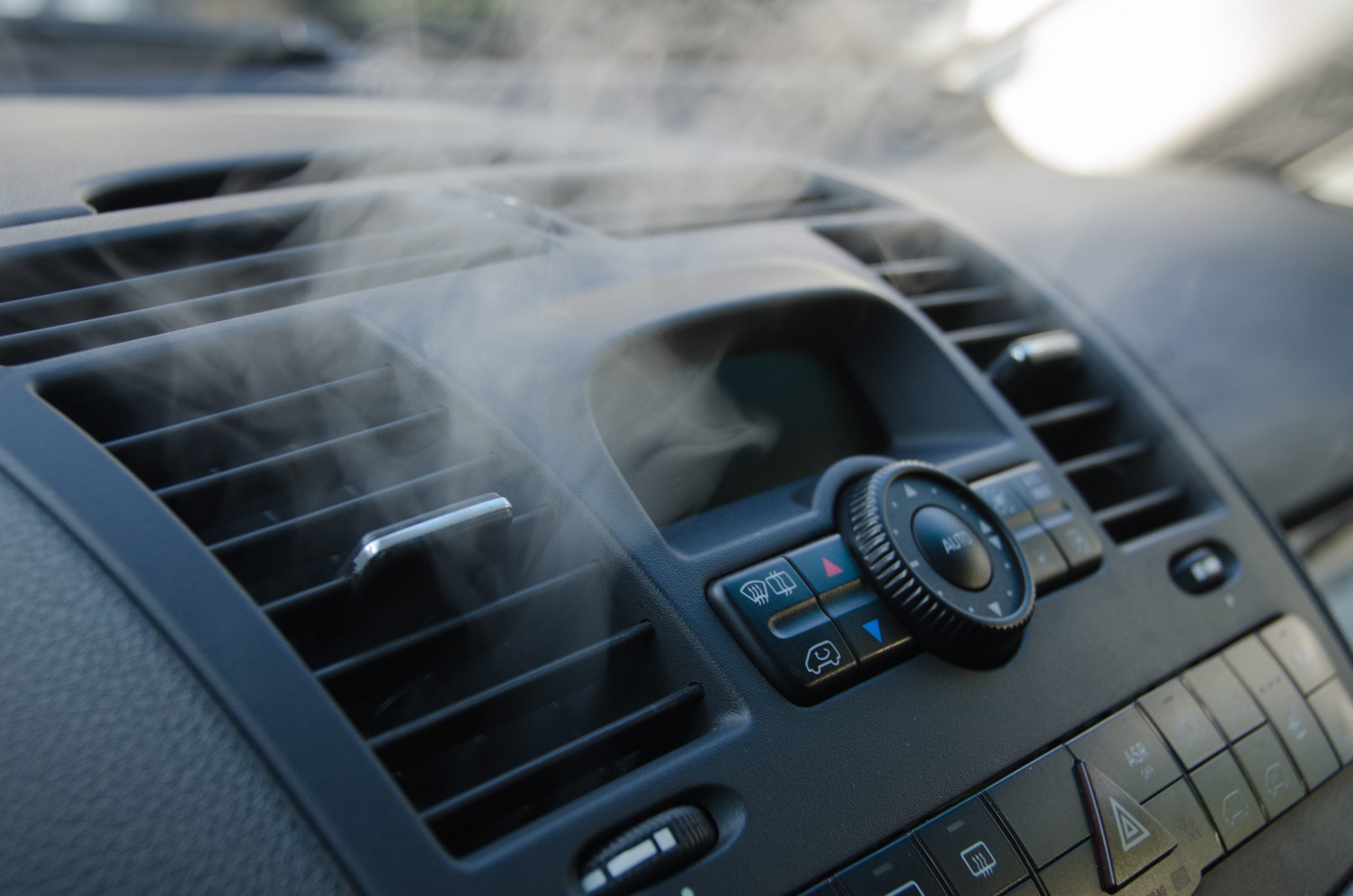
We all expect crisp, cold air from the AC whenever needed. Unfortunately, AC components can wear out or break over time, and your AC can develop problems. If you have an AC not working, your Mazda dealer is here to fix it. These are a few of the issues we can repair. AC Not Working? Visit Your Mazda Dealer Today Air Only at Speed The compressor acts as a pump to push air and refrigerant through the AC to remove moisture from the air and chill it before it's blown into your cabin. A compressor wears out over time, and worn components will prevent it from working as efficiently as it once did. If your AC blowing speed only increases when you accelerate, your compressor may have worn out. The serpentine belt powers the compressor. This belt connects to the crankshaft, and its movements speed up or slow down as you accelerate or decorate. When you increase speed, the compressor is forced to work faster, and airflow into the cabin increases in response. Our technicians will examine your compressor and repair or replace it to fix this issue. Wet Front Carpet Water on the carpet is usually a sign of a leak. If your front passenger carpet is wet, one of the main causes can be a blocked AC drain pipe. Water is removed from the warmer outside air before it is chilled, and this water is diverted to the evaporator heater box. A drainpipe at the bottom of the box allows the water to drip onto the ground. A blockage in the drain pipe caused by bacteria growth or debris brought in with the air prevents the water from draining. If this happens, the box will fill up and overflow. This box is positioned behind the fireboard on the front passenger side, so the accumulated water will spill onto the carpet. We fix this problem by replacing the drainpipe and cleaning the carpet with an antibacterial solution. No Airflow Air enters the AC system through a vent situated below your windshield. As time passes, this vent can become blocked by accumulated leaves and other debris, restricting airflow into the system. If the AC doesn't get enough air, it can't work effectively, and your cabin will get hot. The lack of airflow can also damage the compressor. Dirt and other debris can be drawn into the system through the vent. This debris can block the vents into your cabin. We'll clear any debris from the intake and internal vents, and your AC will cool efficiently again. If your AC isn't working correctly, contact our service department today at Tom Bush Mazda in Jacksonville, FL. Our experts will have your AC working perfectly again in no time.
4 Tips for Jump Starting Your Mazda
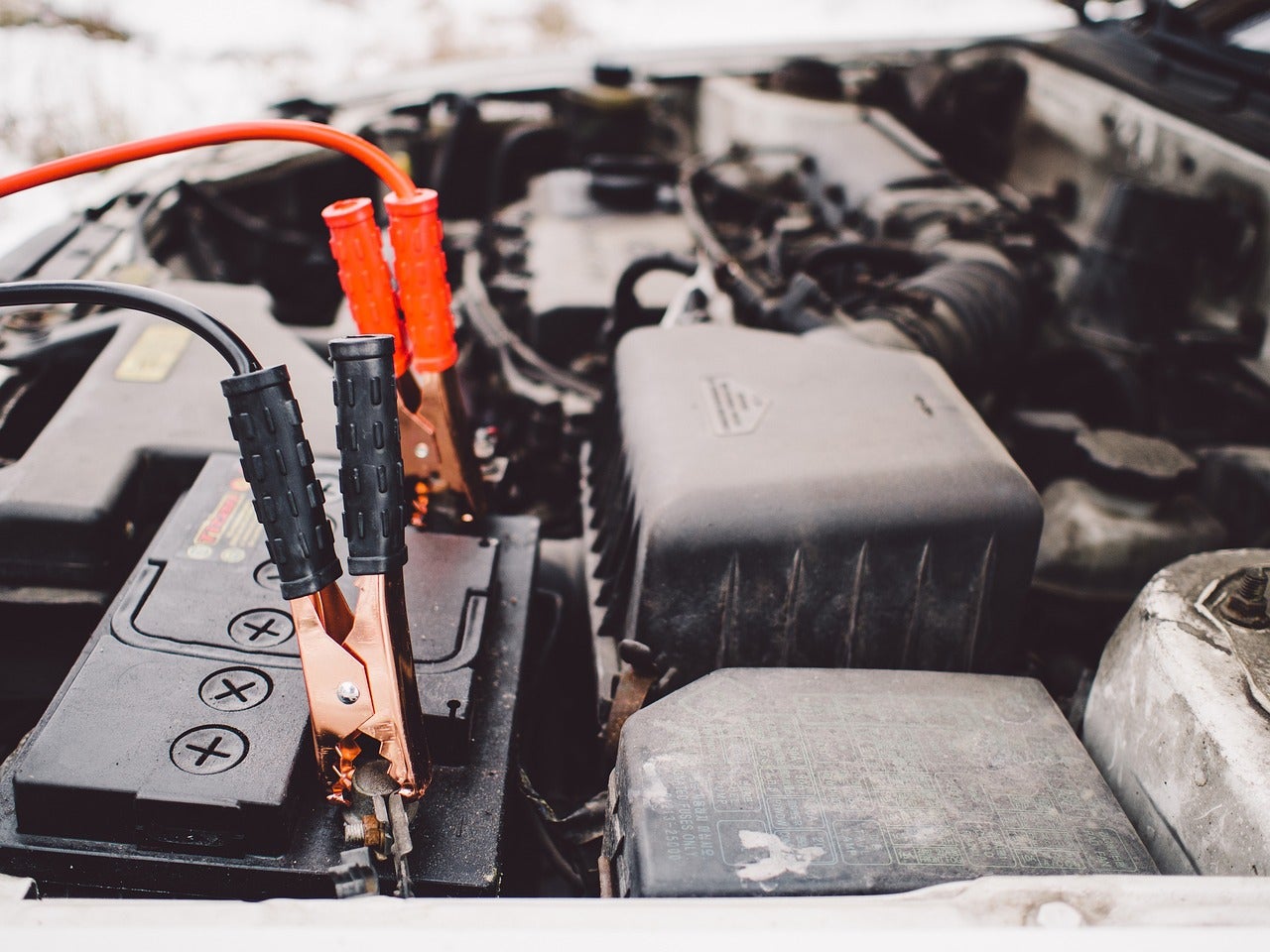
A dead battery is a headache for any driver. Your Mazda has warning lights that light up if your battery is failing, so you're very unlikely to be stuck with a problem like this. As your Mazda dealership, we'd like to tell you how to jump-start a car when you have a friend or family member with a dead battery. From Your Mazda Dealership: 4 Steps To Jump-Start a Car Park Close This might seem obvious, but it's important to remember. To jump-start the other vehicle, you'll connect cables between your battery and the dead battery. If you're parked too far from the other car, the cables will be pulled tight, and attaching the clamps will be more difficult. Locate the Battery Most vehicles have the engine in the front. If the car you are charging has a rear engine, the only difference is that you'll need to park facing the rear rather than the hood of the affected car. The recharging process is the same. Connect the Cables A set of charging jumper cables has a red cable and a black cable. The red cable is the positive and the black cable is the negative. Connecting the cables is relatively easy, but it has to be completed in a precise order. An incorrect connection can damage your battery or even start an engine fire. Red First Take the clamp on one side of the red cable and securely connect it to the positive terminal on the dead battery. A secure connection is important, as electricity can't flow through a gap. Once the clamp is attached, connect the other end of the red scale to the positive terminal on your battery. Black Second You're halfway there. Next, take one of the clamps on the black cable and connect it to the negative terminal on your battery. The last step is very important. The second clamp on the black cable must be connected to any unpolished metal bolt in the engine of the car with the dead battery. Don't connect it to the negative terminal in the dead battery, as you could start a fire. Use Some Gas Start your engine and allow it to idle for a few minutes. While your engine is idling, electricity will flow from your battery through the clamps to the dead battery. After about two to three minutes, try and start the other car. If it doesn't start, idle your car for ten to fifteen minutes, and then try again. Once the other engine starts, disconnect the black cable from the unpolished bolt, then remove the red cable from the previously dead battery. Remove the red cable from your battery and then remove the black cable from your battery. If you'd like to know more about charging a battery, visit us today at Tom Bush Mazda in Jacksonville, FL.
8 Ways to Prevent Car Damage to Your Mazda
Maintaining the pristine condition of your Mazda requires more than just occasional cleaning. Here are some tips from your Mazda dealer on how to prevent car damage and ensure your car remains in excellent condition for years to come. Tips From Your Mazda Dealer: 8 Ways to Prevent Car Damage 1. Regular Maintenance Checks Regular maintenance is key to keeping your Mazda in top condition. Oil changes, tire rotations, topped-up fluid levels: ensuring these tasks are done routinely can prevent more significant issues down the road. 2. Protective Wax Protect your Mazda's paintwork by applying a high-quality wax or a protective ceramic coating. These coatings act as a barrier against environmental elements like UV rays, bird droppings, and tree sap, which can damage the paint over time. Additionally, they make cleaning easier and keep your car looking shiny and new. 3. Safe Parking Practices If possible, park in a garage or under a carport to protect your vehicle from weather-related damage, like hail or sun fading. In public areas, try to find spots away from heavy traffic or potential hazards like shopping carts. 4. Defensive Driving One of the best ways to avoid car damage is by practicing defensive driving. This means being aware of your surroundings, anticipating potential hazards, and keeping a safe distance from other vehicles. Avoid aggressive driving behaviors like speeding and hard braking, which can lead to accidents, wear out your car faster, and keep you moving too fast to avoid scraping that bush on your way around the corner. 5. Using Quality Replacement Parts If repairs are needed, always opt for high-quality replacement parts that match Mazda's specifications. Using inferior parts can lead to further damage and might not work as efficiently, compromising your car's performance and safety. You can always get original parts here at Tom Bush Mazda. 6. Seasonal Preparations Prepare your Mazda for the changing seasons. In winter, use the right type of antifreeze and oil and consider winter tires for better traction. During summer, ensure your cooling system works efficiently to prevent engine overheating. Seasonal preparations can significantly reduce the risk of weather-related damage, and you can have your car prepared for each season with us. 7. Car Covers for Long-Term Storage If you plan to store your Mazda for an extended period, use a quality car cover. This protects your vehicle from dust, moisture, and scratches, especially when stored outdoors. 8. Educating Yourself on Your Mazda's Needs Understanding your Mazda's specific maintenance needs and handling characteristics can go a long way in preventing damage. Read the owner's manual and keep up with any recalls or service bulletins. By following these steps, you can greatly reduce the risk of damage to your Mazda and enjoy a safe, reliable driving experience for years to come. Come see us at Tom Bush Mazda for all your maintenance needs.
How Often Should Your Mazda Get an Oil Change?
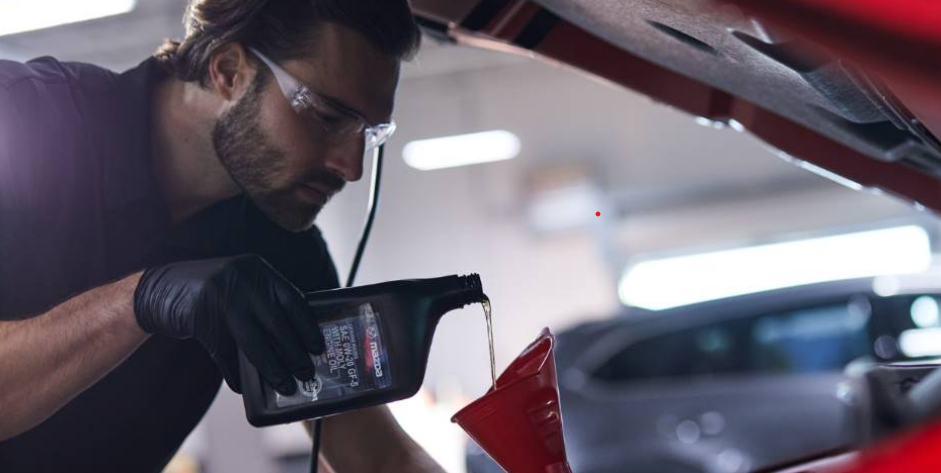
For any Mazda owner, ensuring your vehicle remains in optimal condition is important, and a core component of this upkeep is regular oil changes. When should you get an oil change at your Mazda dealer? Let's explore this vital aspect of car maintenance in detail. The Role of Engine Oil The engine is the heart of your vehicle, and it's a complex, and hot, system of moving parts that work in tandem to deliver performance. To do this efficiently, it relies on engine oil for lubrication and protection. As time progresses and as you clock more miles, this oil gets polluted with various contaminants, leading to a reduction in its lubricating properties. Standard Recommendations for Changing Oil The rule of thumb for many modern cars, including Mazdas, is to change the oil about every 7,500 miles. But it's essential to remember that this is a generalized guideline. The specific model of your Mazda, its age, the type of oil in it, and your regular driving conditions can lead to variations in this frequency. Factors Influencing the Frequency of Oil Changes Driving Habits and Conditions The environment in which you drive your Mazda plays a substantial role in determining when you should change the oil. Regular exposure to extreme cold or hot conditions, heavy city traffic, or taking frequent short drives can reduce the oil's lifespan. Oil Type Matters The market offers various types of engine oils. Synthetic oils, formulated through advanced processes, tend to last longer between changes than their conventional counterparts. Age of Your Mazda Like all things, age affects performance. A Mazda that's been on the road for several years and has seen numerous miles might need its oil changed more frequently compared to a newer model. Recognizing When to Get an Oil Change From Your Mazda Dealer Your Mazda offers clues indicating it's time for fresh oil, and paying attention to these signs ensures your car will stay in peak condition. The most straightforward sign is the oil light on your dashboard. When that illuminates, it needs attention. Make it a habit to periodically check your engine oil, too. If it's visibly dark or feels gritty, it's time to consider a change. Your engine should run smoothly, so if you start hearing unusual sounds, like knocking, it could be an indication that the oil isn't lubricating as effectively as it should. A noticeable oil smell inside your vehicle, especially when coupled with smoke from the exhaust, is also an immediate sign that something's amiss. Don't Forget the Manual A resource that's often overlooked is your vehicle's manual. This document is tailored specifically for your car's model and provides clear guidelines on maintenance, including intervals for changing oil. Maintaining a regular schedule for changing the oil is key to the longevity and efficient performance of your Mazda's engine. If it's time, come see the team here at Tom Bush Mazda.

What's Included in an Extended Warranty on a New Mazda?
The new car warranty period for Mazda is three years or 36,000 miles for limited coverage, five years or 60,000 miles for powertrain coverage, and up to three years of roadside assistance. However, after these warranties are up, you may want to extend your coverage. Explore the benefits of an extended warranty before you sign up for more coverage at your Mazda dealer. What's Included in an Extended Warranty on a New Mazda? Extended protection from Mazda falls under Mazda's exclusive Extended Confidence warranty plans. There are two plans that drivers can use to boost coverage: the Total Confidence plan and the Powertrain Confidence plan. Both of these plans will extend coverage for up to nine years or 100,000 miles and come with extended roadside assistance benefits for the length of the term. Other benefits of extended coverage include access to genuine Mazda parts for replacement or repair of covered vehicle components, advanced diagnostics, and transferability. The warranty plans are accepted at all certified dealerships as well. The only thing not covered by these warranty plans is the cost of routine maintenance or repairs due to expected wear and tear. How Much Does Extended Coverage Cost? Mazda's extended coverage is very affordable. Drivers can choose from deductibles ranging from $0 to $100. For some drivers, it may be a good idea to choose the $100 deductible, since this will mean paying much less for the repair or replacement of more expensive parts. Over the course of the warranty term, drivers can expect to pay roughly $2,000. Does Mazda Have Other Protection Plans? In addition to extending your warranty coverage period, you can also sign up for other Mazda protection plans. These plans include Vehicle Theft Protection, Wear and Tear Protection, Appearance Package Protection, Tire and Wheel Protection, GAP Protection, and Prepaid Maintenance. How Can You Maintain Your Warranty Coverage? The best way to maintain your coverage is to keep up with Mazda's recommended service schedule. This is a good-faith showing that you are doing everything you can as a Mazda owner to keep covered components in good condition. If you ever need service, keep your records and visit an authorized servicer (such as your local dealership) to ensure your warranty will cover your replacement or repairs. When Should You Get Extended Coverage at Your Mazda Dealer? The best time to purchase extended coverage for your vehicle is when it is still in the factory warranty period. You can speak with your local dealership about purchasing extended coverage when you buy your new vehicle. Mazda offers two generous extended coverage plans, so you can reduce the cost of unexpected repairs. Along with extending your warranty, you can also sign up for other protection plans. To learn more about how to extend your warranty protection, contact Tom Bush Mazda today.
Five Benefits of Getting OEM Parts for Your Mazda
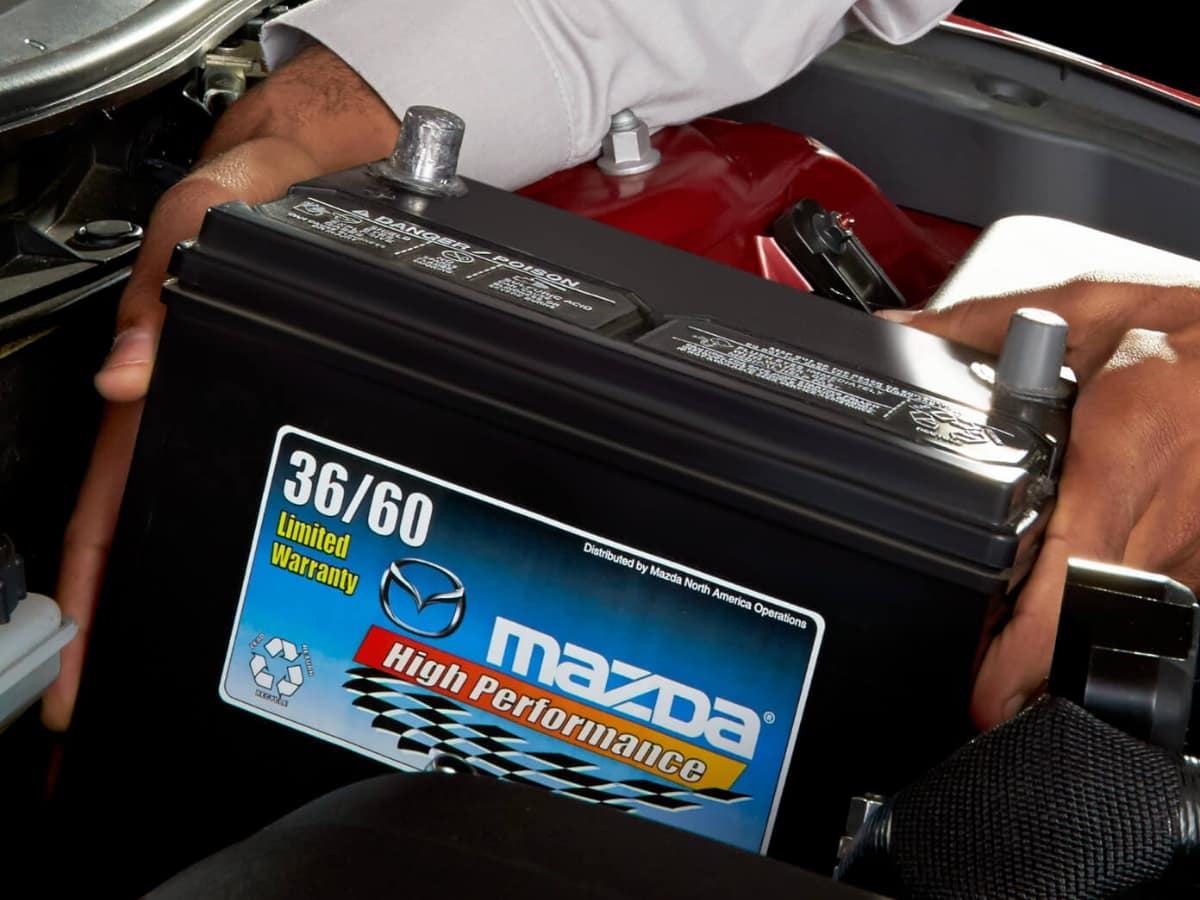
If your Mazda MX-5 needs to have a worn-out part replaced, you may be wondering if you should opt for generic parts or parts from the original equipment manufacturer. In general, it's best to opt for OEM parts from your Mazda dealer, since these parts have better quality. Learn more about the benefits of OEM replacement parts today. Five Benefits of Getting OEM Parts for Your Mazda at a Mazda Dealer 1. Guaranteed Fit The biggest benefit of using OEM replacement parts is the fact that these parts are built with your specific make and model in mind. While generic parts can get the job done and may be cheaper, you run the risk of these parts fitting incorrectly in your vehicle. If a replacement part doesn't fit right, it can potentially damage your powertrain or other important systems. OEM replacement parts, on the other hand, always fit tightly. 2. Manufacturer Warranty Along with the factory warranty on your new Mazda, many of the parts in your vehicle are usually covered by a specific warranty package as well. When you use OEM replacement parts for your vehicle repair, you will get the benefit of a manufacturer-backed warranty. This means that if there are any defects with this part, the manufacturer will replace the part at no cost to you. Generic parts that are flawed will have you paying out of pocket for repairs a second time. 3. Longer-Lasting Repair Another benefit to consider is the longevity of your repair. If you don't want to constantly take your car back to the mechanic to have the same part replaced again, it's best to opt for an OEM replacement part instead of a generic aftermarket part. Original equipment manufacturer parts are made with high-quality materials that take much longer to wear down than aftermarket parts, and this ultimately means that your vehicle repairs will be longer-lasting, more affordable, and more reliable. 4. Optimized Performance OEM replacement parts can also optimize the performance of your vehicle. Because these parts are designed for your specific Mazda, you will not be compromising any power or performance when your repairs are complete. Generic parts, on the other hand, may not hold up to the performance demands of your engine, which means you may lose out on some of the zoom that makes your Zoom Zoom so special. 5. Cost-Effective Finally, using OEM replacement parts is more cost-effective for your vehicle maintenance costs in the long run. Although original parts may be a bit more expensive upfront, these parts last much longer and won't cause any damage to your vehicle that will need to be repaired in the future. If you want to invest in the value of your car and avoid costly repairs in the future, you should always opt for original equipment manufacturer replacement parts to complete vehicle repairs. To schedule service or order genuine parts, contact Tom Bush Mazda in Jacksonville, FL today.
Which Mazda Vehicles Have the Best Fuel Efficiency?
Mazda has established itself as a frontrunner in producing exceptional fuel efficiency across its wide range of vehicles. With efficient powertrain options, innovative engineering, and a commitment to eco-conscious practices, you are sure to find a vehicle that suits your needs. As your local Mazda dealership, we have a range of sports cars, family sedans, and SUVs that prioritize fuel economy without forgetting about style or performance. Vehicles With the Best Fuel Efficiency at Our Mazda Dealership Mazda3 4-Door 2WD This stylish compact car combines horsepower and practicality with an outstanding 36 miles-per-gallon highway rating, making it one of the more fuel-efficient Mazda's on the market today. Maximize your driving mileage and minimize your trips to the fuel pump with the 2.5L inline-4 premium engine that generates plenty of horsepower to provide an enjoyable driving experience. From short jaunts to and from work to longer adventurous travels out of state, the Mazda3's efficient performance makes it an ideal choice for drivers on the go! This little car offers a stylish and comfortable interior with a sleek exterior that is perfect for individuals or families. Mazda MX-5 Miata For many years, the MX-5 Miata has been an iconic sports car that has turned the heads of many driving enthusiasts and car lovers. Known for its thrilling performance delivered by a 2.0L 181-horsepower engine, this impressive two-seater is also able to offer a 35 miles-per-gallon highway rating. Complete with a convertible top, this lightweight and agile roadster is the ideal choice for anyone that craves a thrilling driving experience while also being practical and economical when it comes to fuel consumption and costs. Mazda CX-5 4WD Combining a mix of horsepower, practicality, and ample cargo space, this versatile SUV can provide an economical driving experience for adventurous families. Equipped with a 2.5L engine, you'll not only get a satisfying amount of horsepower, but will also get up to 30 miles-per-gallon highway rating. Perfect for driving over a variety of different terrain and in various weather conditions, the 4WD capabilities of the CX-5 helps keep you confident behind the wheel. From daily driving to weekend adventures far away from home, this SUV offers a well-rounded versatility for you to enjoy. Mazda CX-9 4WD Despite its larger size, the three-row CX-9 SUV is the perfect mix of horsepower and fuel efficient ratings for its class. Powered by a 2.5L turbocharged engine, you'll get a robust amount of horsepower with a 26 miles-per-gallon highway rating, making it perfect for both city driving and long distance highway cruising. The spacious interior seats up to seven passengers, and has plenty of cargo space for anything you may need to bring along for the ride. With the 4WD capabilities, you'll get enhanced performance on various road conditions making it a suitable SUV to take off the beaten path on your next weekend adventure! Mazda's commitment to fuel efficient vehicles sets them apart in the automotive industry, allowing you to save on fuel costs while also taking a step towards a greener and more economical future on the road for everyone. Experience the exceptional lineup of new and used Mazda cars and SUVs firsthand by visiting us at Tom Bush Mazda today!
Does Your Mazda Have a Faulty Ignition Coil?
Ignition coils help generate the electrical voltage that lets the engine's spark plugs spark. A typical Mazda with four combustion chambers can still operate with one faulty ignition coil. But the car's performance will suffer greatly, and more significant car problems may soon develop. If one of your ignition coils fails, you're likely to notice the following six warning signs and should have it repaired or replaced at your nearest Mazda dealer as soon as you can. Does Your Mazda Have a Faulty Ignition Coil? Failing Engine Power When an ignition coil stops sending a steady supply of voltage to the spark plug, that spark plug begins to misfire. As a result, the engine loses power: when you step on the gas, it won't be as responsive as before. Rough Idling When a spark plug starts to misfire because of a bad coil, you'll feel the car struggling. Most notably, it will no longer be purring quietly when you slow down or pause in idle. Instead, it will cough and sputter and seem like it's struggling to keep running. Stalling Engine Misfires can also cause your car to stall, especially when you slow down or rest in idle, which puts the engine under more strain. Once stalled, you might also find it difficult to start the engine again. Reduced Gas Mileage With a bad ignition coil, your car won't be burning fuel as efficiently as before. And you'll soon find you need to budget more for your gas expenditure each month. Backfiring Exhaust System Misfiring in the combustion chambers can cause an excess of unburned fuel to escape into the exhaust system. If excess fuel ignites anywhere outside of the combustion chamber, you'll hear a loud bang and see smoke coming from the tailpipe. Check Engine Light The various engine problems that a bad ignition coil causes will usually trigger the computerized sensors inside your engine. Your car will let you know that something is wrong by lighting up the check engine light on your dashboard. It will then take a technician to properly diagnose and repair the problem. Your Mazda Dealer May Clean or Replace a Faulty Coil Malfunctioning ignition coils can sometimes be cleaned instead of replaced. When checking your engine's coils, if the technician finds them to be dirtied with dust or sooty residue, they'll first clean them to see if the function can be restored. But if an ignition coil has become overloaded and burned out, broken by vibrations, or destroyed by overheating, it will usually need to be replaced. Have your malfunctioning ignition coils examined and replaced today at Tom Bush Mazda. Our full-service dealership has been providing local drivers with excellent cars and customer service since 1974.