

Choosing an SUV for a growing family is not just about finding the biggest option available. It is about understanding how space, seating, and daily routines come together over time. Mazda’s SUV lineup is designed with different types of families in mind, from compact flexibility to full three row capability. The real decision comes from how each vehicle supports your everyday movement, from school drop offs to weekend travel, and how those needs evolve as your family grows.
How Mazda SUV Size Actually Translates To Daily Family Use
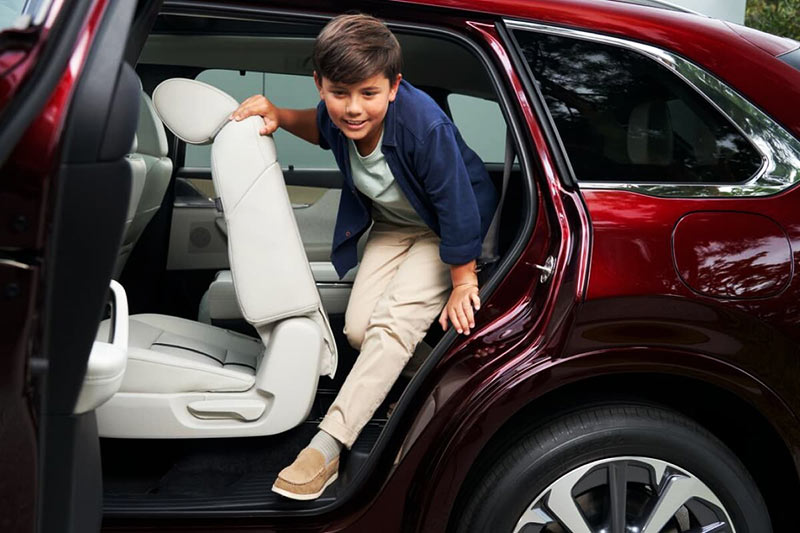
The Mazda CX 90 is the largest SUV in the Mazda lineup, offering three rows of seating and the most overall interior volume.
Size in an SUV is not just about exterior dimensions. It is determined by how the vehicle’s wheelbase, cabin layout, and seating structure are designed to support passengers and cargo together.
In smaller models like the Mazda CX 5, the focus is on efficiency and balance. The vehicle is easier to maneuver in tight spaces while still offering enough room for a small family. The Mazda CX 50 expands on this slightly with a wider stance and more flexible cargo area, making it better suited for active lifestyles that require more gear.
The CX 90 introduces a different structure entirely. Its longer wheelbase allows for a third row, but that added space changes how the interior is used.
- Larger SUVs create more passenger capacity but also require more planning for parking and maneuverability
- Smaller SUVs provide easier daily driving but limit how many people and items can be carried at once
- Interior layout matters more than overall size when it comes to comfort and usability
For a family, this means size should be evaluated through daily routines rather than just maximum capacity.
Mazda CX 5 And CX 50 How Two Row SUVs Handle Family Life
For many families, a two row SUV like the Mazda CX 5 or Mazda CX 50 provides the most practical balance of space and usability.
These vehicles are designed around five passenger seating, which allows the entire cabin to focus on comfort and cargo flexibility rather than dividing space across a third row.
In the Mazda CX 5, the interior prioritizes passenger comfort with a layout that keeps seating supportive and accessible. The cargo area behind the second row is consistently available, which means groceries, strollers, or sports equipment can be stored without needing to reconfigure seating.
The Mazda CX 50 shifts slightly toward versatility. Its design supports outdoor gear and larger cargo items while still maintaining passenger space.
- Two row SUVs maintain full cargo capacity at all times
- Rear seats can fold down to expand storage when needed
- Cabin space feels more open because it is not divided into multiple rows
This structure works well for families who do not regularly need more than five seats but still require flexibility for daily life.
Mazda CX 90 And What A Third Row Really Changes
A third row SUV adds additional seating capacity, but it also changes how interior space is shared between passengers and cargo.
In the Mazda CX 90, the third row allows for more passengers, which is useful for larger families or situations where extra seating is needed. However, when all seats are in use, the cargo area behind the third row becomes more limited.
This is where many shoppers experience confusion. The presence of a third row does not automatically mean more usable space at all times. It introduces a tradeoff between carrying people and carrying cargo.
- With the third row in use, cargo space is reduced
- Folding the third row restores a larger cargo area
- Access to the third row requires additional cabin movement and space planning
The benefit of the CX 90 is flexibility. It allows the vehicle to adapt based on what is needed for that specific trip.
For families who regularly transport more than five passengers, this added capability becomes essential. For others, it may be used occasionally rather than daily.
How Cargo Space Works When Seating Configurations Change
Cargo space is not a fixed number. It changes depending on how the seating system is configured at any given time.
In vehicles like the Mazda CX 5, cargo space remains consistent because there is no third row. The rear area is always available unless the second row is folded for additional storage.
In the Mazda CX 90, cargo space operates as a variable system. The amount of usable storage depends on how many seats are in use.
- All seats up provides maximum passenger capacity with minimal cargo space
- Third row folded increases cargo area significantly
- Second and third rows folded creates a flat load floor for larger items
This system is designed to adapt, but it requires planning. Families need to think about how often they will prioritize passengers versus cargo.
Understanding this dynamic helps prevent choosing a vehicle based on maximum numbers rather than actual daily use.
How To Choose The Right Mazda SUV Based On Your Routine
The right Mazda SUV is the one that aligns with how your family actually moves through daily life.
For smaller families or those who prioritize ease of driving, the Mazda CX 5 offers a balanced approach with consistent cargo space and manageable size. The Mazda CX 50 builds on that with added versatility for outdoor activities and larger gear.
For larger families or those who frequently need additional seating, the Mazda CX 90 provides the flexibility of a third row while still maintaining Mazda’s focus on comfort and connection.
The decision comes down to patterns.
- How many passengers you regularly carry
- How often you need flexible cargo space
- Whether your daily routine involves tight parking or open driving environments
When those patterns are clear, the right choice becomes less about comparing specifications and more about choosing the vehicle that fits naturally into your life.
Connect with us


